15 Questions to Ask a Cat Litter Factory Before Your First Bulk Order
Before choosing a cat litter supplier, ask for evidence you can compare: an agreed product specification, sample test results, batch quality records and an itemized quotation. A useful answer explains how the factory will deliver your selected product consistently — not just what it can manufacture in general.
Use the 15 questions below during supplier discussions. Record the answer, supporting document and unresolved point for each shortlisted supplier before approving a bulk order.
OEM or private label
Five Items to Request First
| Item | What it helps you verify |
|---|---|
| Manufacturing identity and production scope | Who will make the selected product and where |
| Product specification and sample reference | Exactly what you are evaluating and buying |
| Batch test records and test methods | How performance is checked and recorded |
| Itemized quotation and MOQ by SKU | What the price includes and how the order is structured |
| Approval and production schedule | The milestones required before dispatch |
Table of Contents
- 01. Are You Working With a Real Cat Litter Manufacturer or ...
- 02. What Types of Cat Litter Can the Factory Produce?
- 03. Does the Factory Support OEM and Private Label Projects...
- 04. How Does the Factory Control Raw Materials?
- 05. What Quality Tests Are Performed Before Shipment?
- 06. Can the Factory Maintain Consistent Quality Between Ord...
- 07. What Is Monthly Production Capacity?
- 08. What Packaging Options Are Available?
- 09. What Is the MOQ?
- 10. How Long Is Production Lead Time?
- 11. Does the Factory Understand Your Target Market?
- 12. Can the Factory Help Develop New Products?
- 13. What Certifications and Documents Are Available?
- 14. How Does Communication Work During Production?
- 15. Why Not Choose Only Based on Lowest Price?
01 Are You Working With a Real Cat Litter Manufacturer or Trading Company?

This is the first question because it defines who is accountable for your order. Confirm which legal entity signs the contract, which facility makes the product and who is responsible for quality, delivery and claims. A factory or trading partner should be able to explain the production arrangement and provide relevant evidence. Evaluate the arrangement rather than relying on the company label.
How to verify: ask for the factory business license (verify with the issuing authority), production video walkthroughs dated within the last 30 days, and a list of active OEM clients you can contact for reference. Most professional factories have a public audit report (BSCI, Sedex, or customer-initiated).
Related: Factory Tour
02 What Types of Cat Litter Can the Factory Produce?
Ask which products are made in-house and which, if any, are sourced from partners. Specialization can be useful; what matters is whether the supplier can consistently make the product you intend to buy. For plant-based products, compare the specifications of tofu cat litter and the relevant mixed cat litter formulations.
Watch out: if the type you want is subcontracted to another facility, ask who controls quality and how issues are resolved. A factory that owns the full production chain for your selected product makes accountability simpler to verify.
03 Does the Factory Support OEM and Private Label Projects?
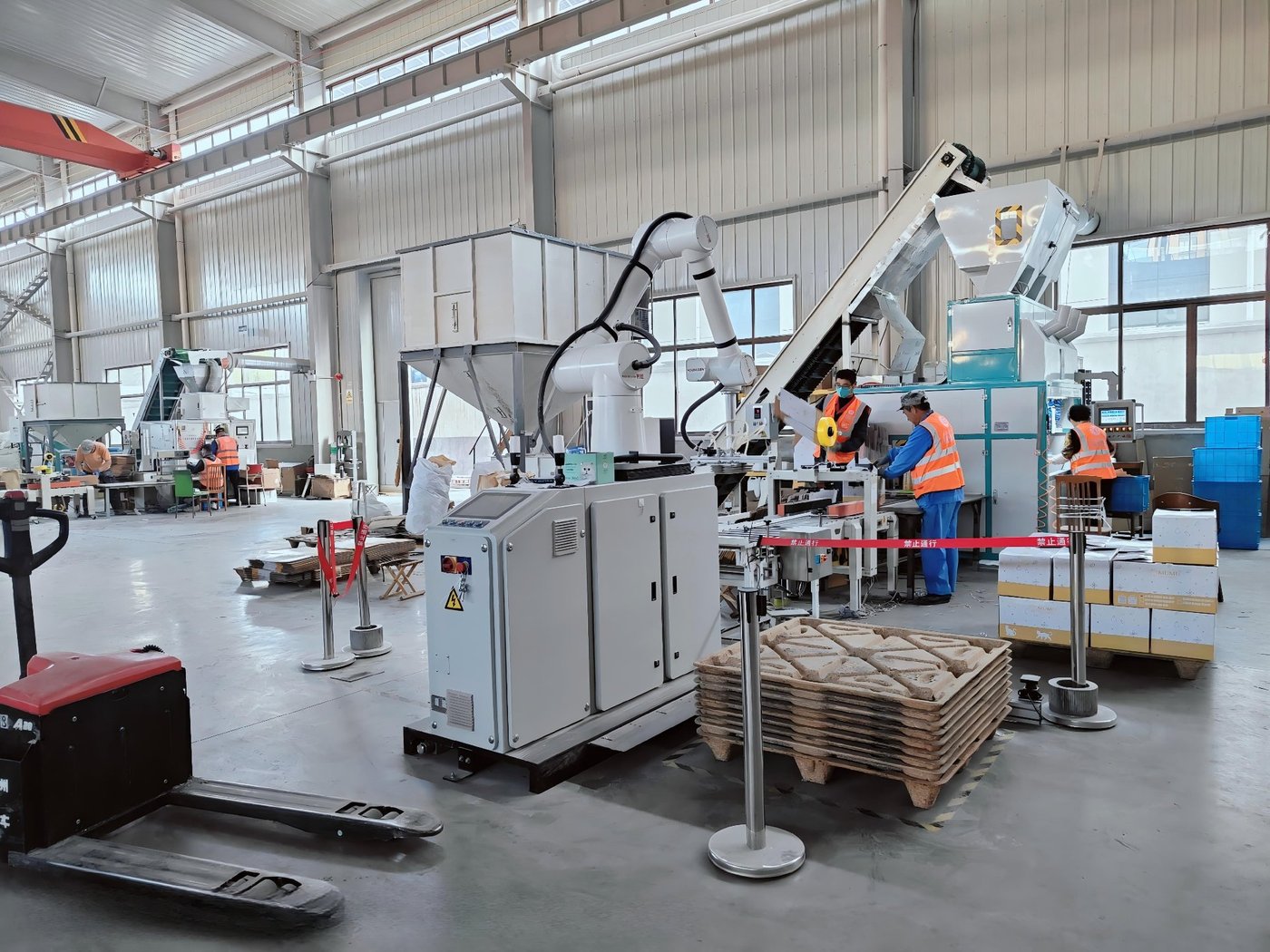
Buyers need full customization: formula, size, fragrance, packaging, and brand design. A manufacturer with in-house packaging design and tooling capability can shorten the launch timeline. Ask for case studies, existing private label references, and minimum order quantity per SKU.
Key OEM questions to ask: (1) Who owns the mold/tooling for your custom packaging — you or the factory? (2) What is the artwork proof turnaround? (3) Is there an exclusive formula clause, or can the factory sell the same formula to your competitors? (4) Does the factory provide free design support, or is it billed separately?
Clarify whether you need production to your specification, supplier-led development or an existing formula under your brand. Use the OEM vs ODM guide to define the scope, then review the private label manufacturing process.
Related: OEM Solutions Overview
04 How Does the Factory Control Raw Materials?
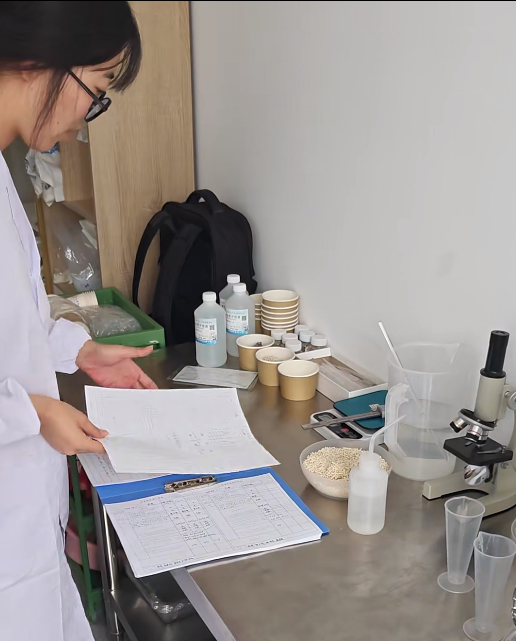
Quality starts before production. Ask for the raw material specification used in your selected formula, how incoming materials are checked and how substitutions are controlled. For tofu and mixed litter, confirm the actual fiber, starch and mineral components rather than inferring composition from the product name.
A serious factory should be able to: (1) name their main raw material suppliers and the relationship duration; (2) provide incoming inspection records for the last 3-6 months; (3) explain how they handle material variation between batches; (4) show storage conditions (humidity-controlled warehouses matter for plant-based litter).
05 What Quality Tests Are Performed Before Shipment?
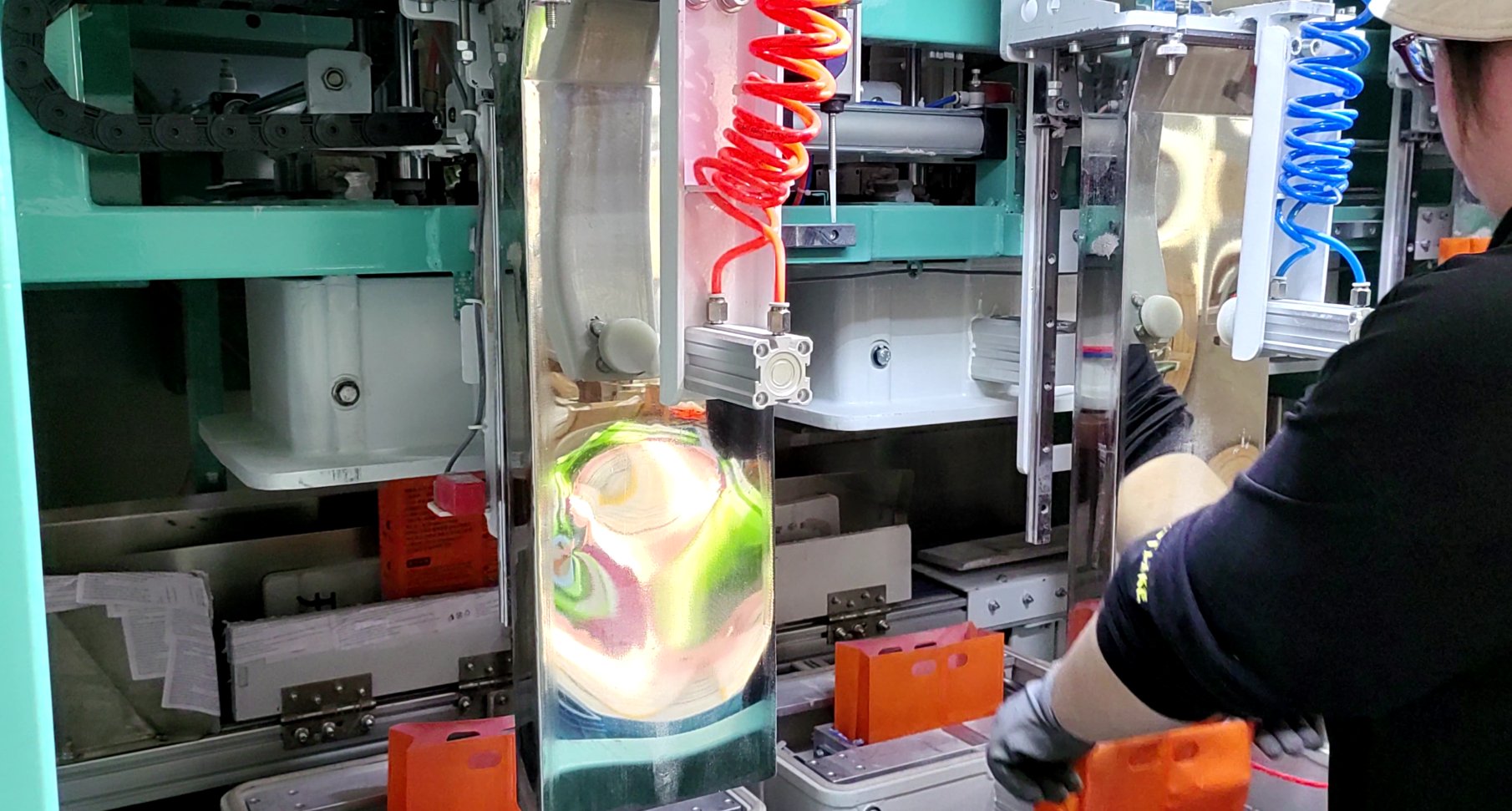
Request the actual inspection plan, test methods, sample sizes and acceptance limits for your product. Compare clumping, dust, moisture, absorption and packaging integrity using consistent methods. Our sample quality testing guide can help organize your evaluation.
Ask for: (1) the documented QC checkpoints from incoming material to pre-shipment; (2) the test report template, including granule size distribution, dust percentage, clumping time, water absorption (%), moisture content (%), and pH value where applicable; (3) how batch-specific results are recorded and shared with each shipment. Reject any supplier that only does "visual inspection" without instrument-based testing.
Related: Quality Testing Center
06 Can the Factory Maintain Consistent Quality Between Orders?
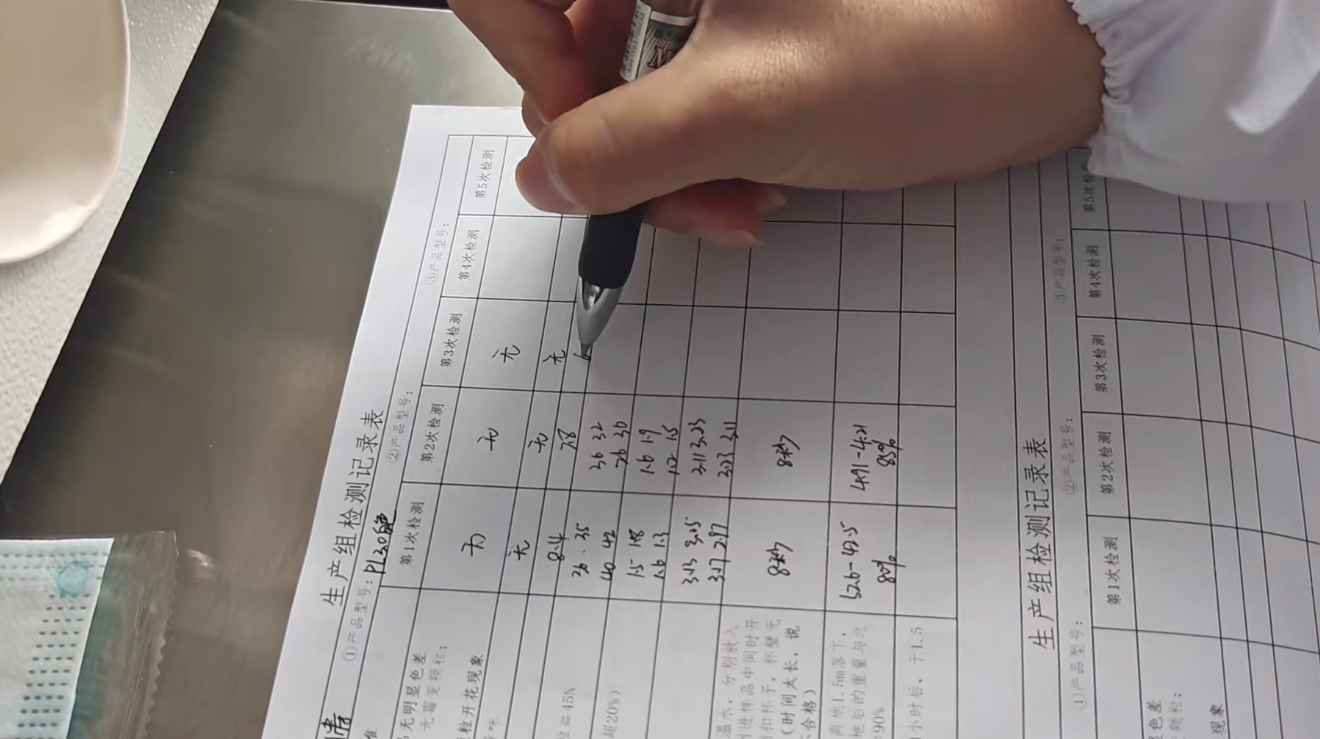
A great first sample does not guarantee long-term consistency. Large buyers care about batch records, the QC process in production, and whether production standards are documented. Request sample retention policy, traceability system, and historical rejection rate.
A robust consistency program includes: (1) retained samples from every batch stored for 12+ months; (2) batch code traceability from raw material to finished goods; (3) statistical process control charts on critical parameters; (4) third-party lab verification at least quarterly. Ask to see 2-3 batch test reports from different production dates — consistency tells you more than a single good sample.
07 What Is Monthly Production Capacity?
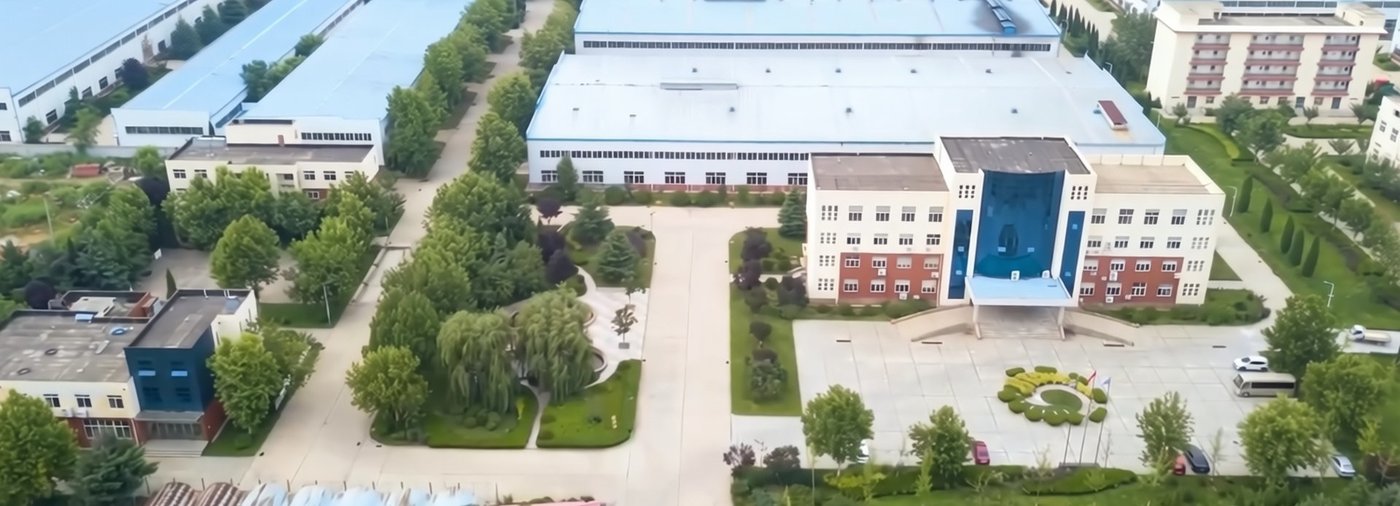
Capacity matters for peak season supply, retail promotion windows, and stable inventory. Buyers should know the manufacturer's monthly output, the number of production lines, and how the factory plans capacity expansion. A supplier that cannot disclose capacity is a red flag.
Ask about: (1) Maximum output per production line per shift; (2) Number of shifts and seasonal variation; (3) Lead time during peak season (Q4 typically); (4) Backup capacity for unexpected demand spikes; (5) Current capacity utilization rate. A factory running at 70-80% utilization has flexibility; one at 95%+ will struggle to grow with you.
08 What Packaging Options Are Available?
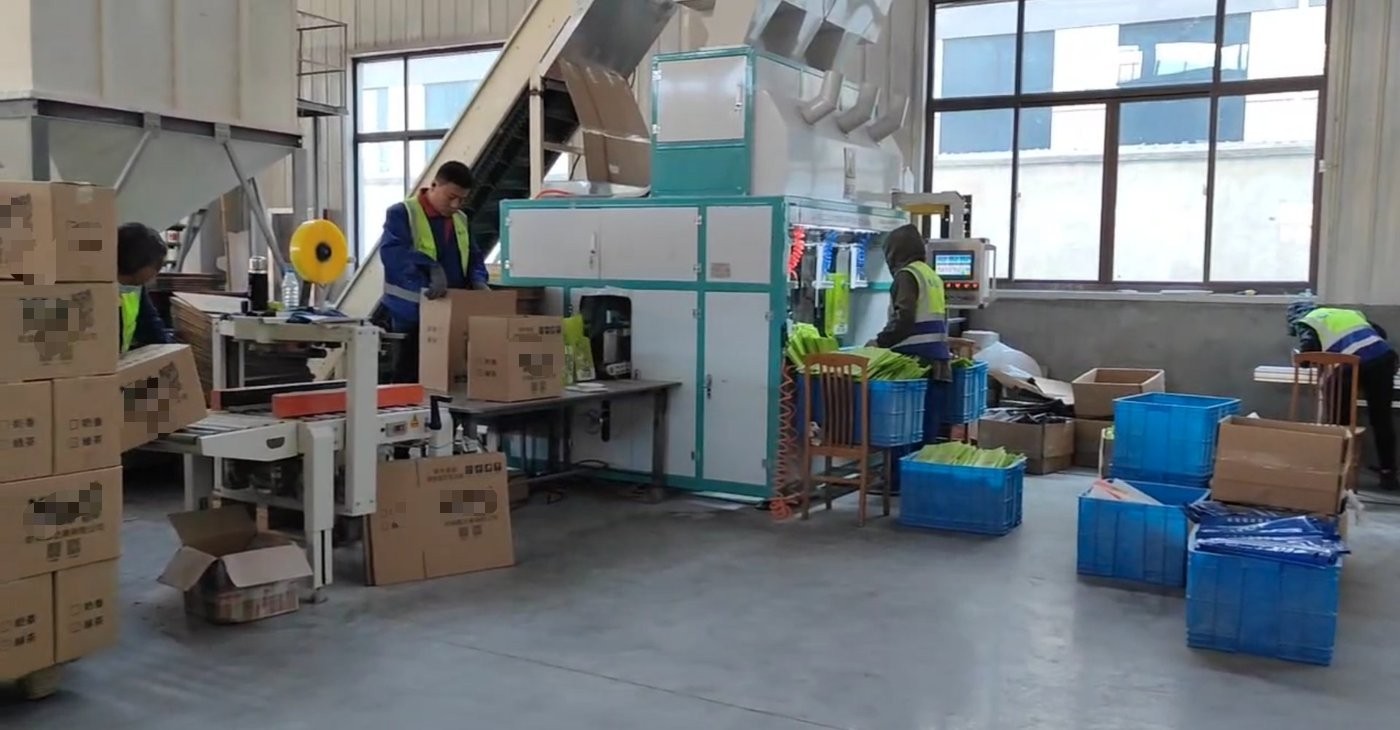
Options include small retail bags (5L/10L/20L), boxes, private label packaging, and retail-ready design with barcodes. For private label brands, the supplier should offer design support, multiple material options (PE, kraft, woven), and pallet configuration for container loading.
Key packaging specs to clarify: (1) Bag material thickness and barrier properties (oxygen/moisture); (2) Available printing methods (flexo vs digital) and color count; (3) Closure type (zipper, heat seal, valve); (4) Shelf life guarantee under your storage conditions; (5) Pallet configuration and 20ft/40ft container loading plan to optimize shipping cost.
09 What Is the MOQ?
Ask for MOQ by formula, bag size and printed packaging SKU. Compare a trial order and a repeat-order scenario using the same specification and trade terms. Lower quantities can change unit costs, but the difference should come from a written quotation rather than a universal percentage. Review the minimum order questions before requesting prices.
What to confirm in writing: (1) the MOQ per SKU, not just per container; (2) whether mixed-SKU loading is possible for a trial order; (3) how the unit price changes between trial and repeat quantities under the same trade terms; (4) which packaging choices (printed bags, barcodes, pallet configuration) affect the minimum. A factory that explains its MOQ structure is easier to plan with than one quoting a single take-it-or-leave-it number.
10 How Long Is Production Lead Time?
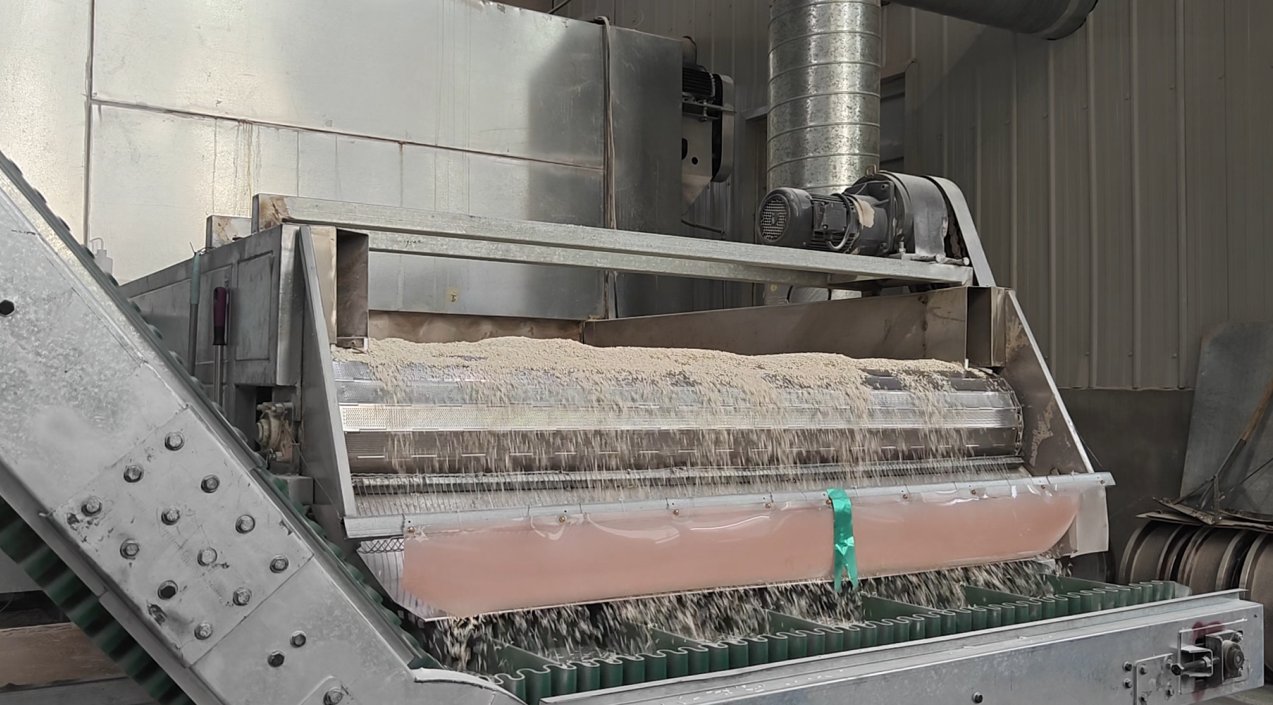
Request separate dates for sample preparation, buyer approval, artwork confirmation, production, inspection and dispatch. Confirm what triggers the production clock and which dependencies could change the schedule. Freight transit should be quoted for the actual route and service.
Hidden delays to watch for: (1) artwork proof approval — buyers often take longer than expected to confirm; (2) raw material procurement — out-of-stock additives can extend preparation; (3) peak season queuing — confirm current line availability before placing the order; (4) freight booking — sailing schedules and transit times vary by route and season. Ask your supplier to quote each milestone for your exact specification and destination, then build your inventory buffer around the confirmed schedule rather than a generic number.
11 Does the Factory Understand Your Target Market?
European and American markets emphasize dust, eco-friendliness, and convenience packaging. Japan and Korea care about fragrance refinement and granule uniformity. Southeast Asia prioritizes clumping strength and price. A factory that has shipped to your target market can recommend the right formula, packaging size, and labeling compliance.
For your target market, ask for relevant shipment experience, packaging requirements and examples of documents the supplier can provide. Confirm which requirements apply to the selected product and destination with the responsible importer or qualified adviser.
12 Can the Factory Help Develop New Products?
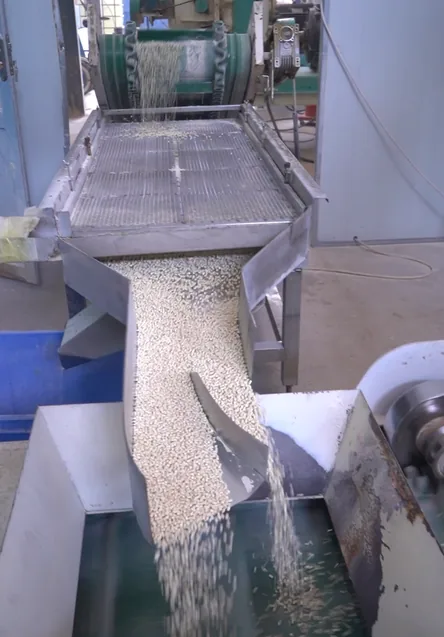
This is ODM capability. A strong supplier supports formula improvement, market trend analysis, and new product development. Ask for the number of new SKUs launched in the past 12 months, the R&D team size, and the sample-to-production success rate.
Strong ODM partners offer: (1) trend reports based on export data and customer feedback; (2) in-house lab for clumping, dust, and absorption testing; (3) small-batch pilot production before committing to container orders; (4) joint product development with confidentiality agreements. A factory that can only execute your spec, not improve it, limits your long-term competitive advantage.
13 What Certifications and Documents Are Available?
Depending on the target market, buyers should ask for ISO 9001, ISO 14001, BRC, FDA-related documents, MSDS, and export documentation including certificate of origin and fumigation certificate. Verify document validity dates and the issuing body.
Verify the issuer, validity, scope and product or facility covered by each document. Separate management-system certificates from product test reports and shipment documents. A generic certificate list is not a substitute for checking the exact order requirements.
Related: Our Certifications
14 How Does Communication Work During Production?
A professional supplier provides regular production photo updates, QC reports at every stage, and a dedicated point of contact. Time zone overlap, English fluency, and response time within 24 hours are non-negotiable for cross-border OEM projects.
Communication red flags: (1) replies taking 2+ days during business hours; (2) using machine translation with grammar errors in technical documents; (3) multiple contact points with conflicting information; (4) no scheduled production updates. Best practice: establish a weekly update call (15 min) covering production progress, QC results, and any issues. The best factories proactively flag potential delays rather than waiting for you to ask.
15 Why Not Choose Only Based on Lowest Price?
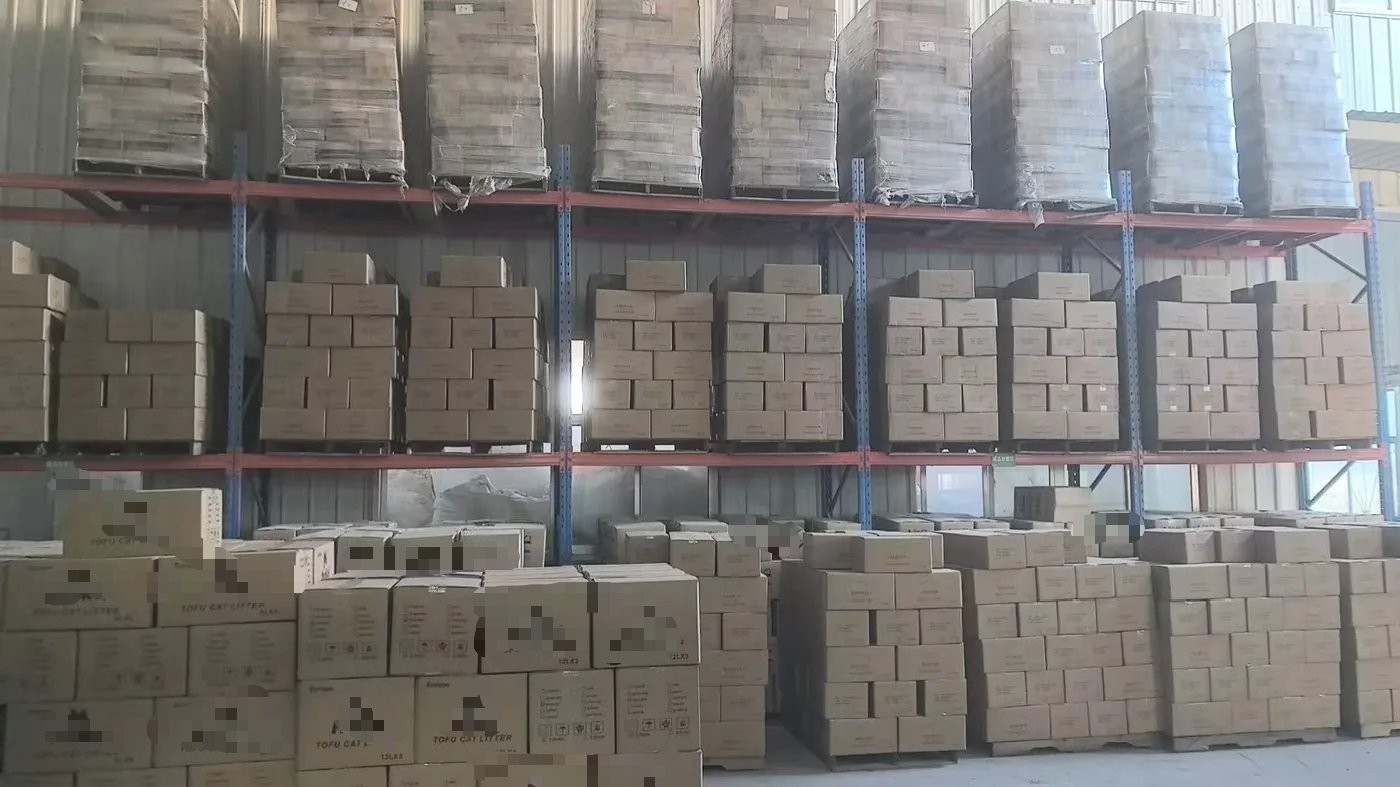
Compare quotations using the same product specification, packaging, quantity and trade terms. Include freight, inspection, inventory and potential rework in your purchasing assessment where applicable. A lower price is a reason to understand the cost structure, not proof of poor quality.
How to compare fairly: (1) send every shortlisted supplier the same specification and trade terms; (2) ask each to itemize what the price includes and excludes; (3) add your own freight, inspection and inventory estimates for a landed-cost view; (4) then negotiate among the 2-3 suppliers whose evidence (not promises) satisfied the first 14 questions. The goal is the lowest total cost at a quality level you can defend to your customers — not the lowest number on a quote sheet.
Free Printable Checklist — 15 Questions to Ask Your Factory
Download the complete 6-page PDF checklist with scoring system. Print it, take it to your factory meetings, and compare suppliers objectively.
📥 Download Free PDFReady to Discuss Your Supplier Checklist?
Share your target market, product requirements and planned order volume. Tell us which specifications or documents you need to evaluate so we can discuss the scope of your project.
Discuss My Manufacturing Requirements Request Product SamplesFrequently Asked Questions
How do I choose a cat litter manufacturer?
Evaluate production capacity, QC process, OEM/ODM capability, raw material control, certifications, and long-term supply reliability. Use the 15 questions in this guide as your evaluation checklist.
What makes a good cat litter factory?
A good cat litter factory combines stable raw material sourcing, documented QC procedures, flexible OEM/ODM support, transparent communication, and proven export experience to your target market.
What is the difference between a factory and a trading company?
Confirm which legal entity signs the contract, which facility makes the product and who is responsible for quality, delivery and claims. A factory or trading partner should be able to explain the production arrangement and provide relevant evidence. Evaluate the arrangement rather than relying on the company label.
What is private label cat litter?
Private label cat litter is a product manufactured by one factory and sold under another brand. The factory handles production, formula, and packaging; the brand handles marketing and distribution.
What quality tests are important for cat litter?
Key tests include dust level, clumping strength, water absorption, moisture content, odor control, and packaging integrity. Batch-specific test reports should accompany every shipment.
How long does OEM production take?
Request separate dates for sample preparation, buyer approval, artwork confirmation, production, inspection and dispatch. An estimated production time is not a promise of delivery to your warehouse — ask for a schedule built on your exact specification and destination.
What MOQ is common for cat litter OEM?
Formula, production requirements, printed packaging and the number of SKUs all matter. Check the minimum order guide, then confirm the exact quantity in your written quotation rather than relying on a universal number.
Can brands customize cat litter formulas?
Yes. Most professional manufacturers support formula customization including clumping strength, fragrance, color, granule size, dust level, and additive features (activated carbon, deodorant, etc.).
How to check supplier reliability?
Verify business license, factory audit report, third-party certifications, client references, sample retention, and trade history. A reliable supplier will welcome an on-site audit.
What questions should importers ask cat litter factories?
Importers should ask about export experience to their country, HS code classification, packaging compliance with local regulations, MOQ per SKU, lead time, payment terms, and Incoterms.
A professional cat litter factory is a long-term partner, not a transactional supplier. The 15 questions above are the minimum evaluation framework. Use them as a checklist when comparing 3-5 shortlisted manufacturers. The right partner will answer these questions with documentation, not promises.