Whether you're launching a private label brand, switching suppliers, or diversifying your supply chain, the manufacturer you choose will define your product quality, delivery reliability, and ultimately your brand reputation. This guide draws on real-world experience working with B2B buyers across North America, Europe, and Asia-Pacific—and covers the questions that actually matter, not just the ones that look good on a supplier questionnaire.
Who this guide is for: Importers, brand owners, private label founders, pet store chain buyers, and procurement managers evaluating Chinese cat litter manufacturers for the first time or reconsidering their current supplier relationship.
China produces over 60% of the world's cat litter, but not all factories are created equal. Between trading companies posing as manufacturers, inconsistent quality, and communication barriers, the risks are real. This 10-point checklist gives you the exact questions to ask and red flags to watch for—so you can make a confident, informed decision.
1. Factory Certifications — Verify, Don't Just Trust
The first filter is certifications. A legitimate manufacturer should be able to produce valid, verifiable certificates—not just claims on a website.
Reputable factories hold ISO 9001 (quality management) and can provide SGS test reports for their products. If they export to the EU, they should have REACH compliance documentation. For the US market, FDA registration (for facilities, not the product itself) is a plus. The key word is verifiable—you should be able to cross-check certificate numbers independently.
A factory that only shows blurry photos of certificates, refuses to share the actual PDF, or claims "we have all certifications but can't show them due to confidentiality" is a major risk. So is a supplier that can't tell you which specific standards their products meet. Trading companies often copy certificates from multiple factories—ask for the factory's business license and match the names.
Gormeet is ISO 9001 certified and all product batches are tested by SGS. Our certificates are available for download, and we welcome third-party verification. Every COA (Certificate of Analysis) is batch-specific—not a generic document reused for all customers.
2. Production Capacity — Can They Scale With You?
A factory that's perfect for your first container may not be able to support you at 20 containers. Capacity isn't just about volume—it's about consistency at scale.
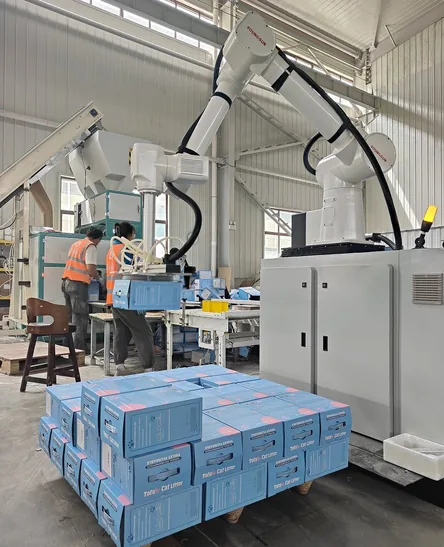
A transparent factory shares its daily and monthly production capacity, number of production lines, and current utilization rate. They should be able to explain their peak-season strategy and how they handle capacity crunches. Automated production lines are a good sign—they reduce human error and ensure batch-to-batch consistency. Ask for photos or a video of the production floor.
Vague answers like "we can produce as much as you need" without specifics. Factories that can't tell you their daily output in tons. Suppliers that outsource your order to another factory without telling you. If a factory is reluctant to let you visit or show the production floor, that's a serious warning sign.
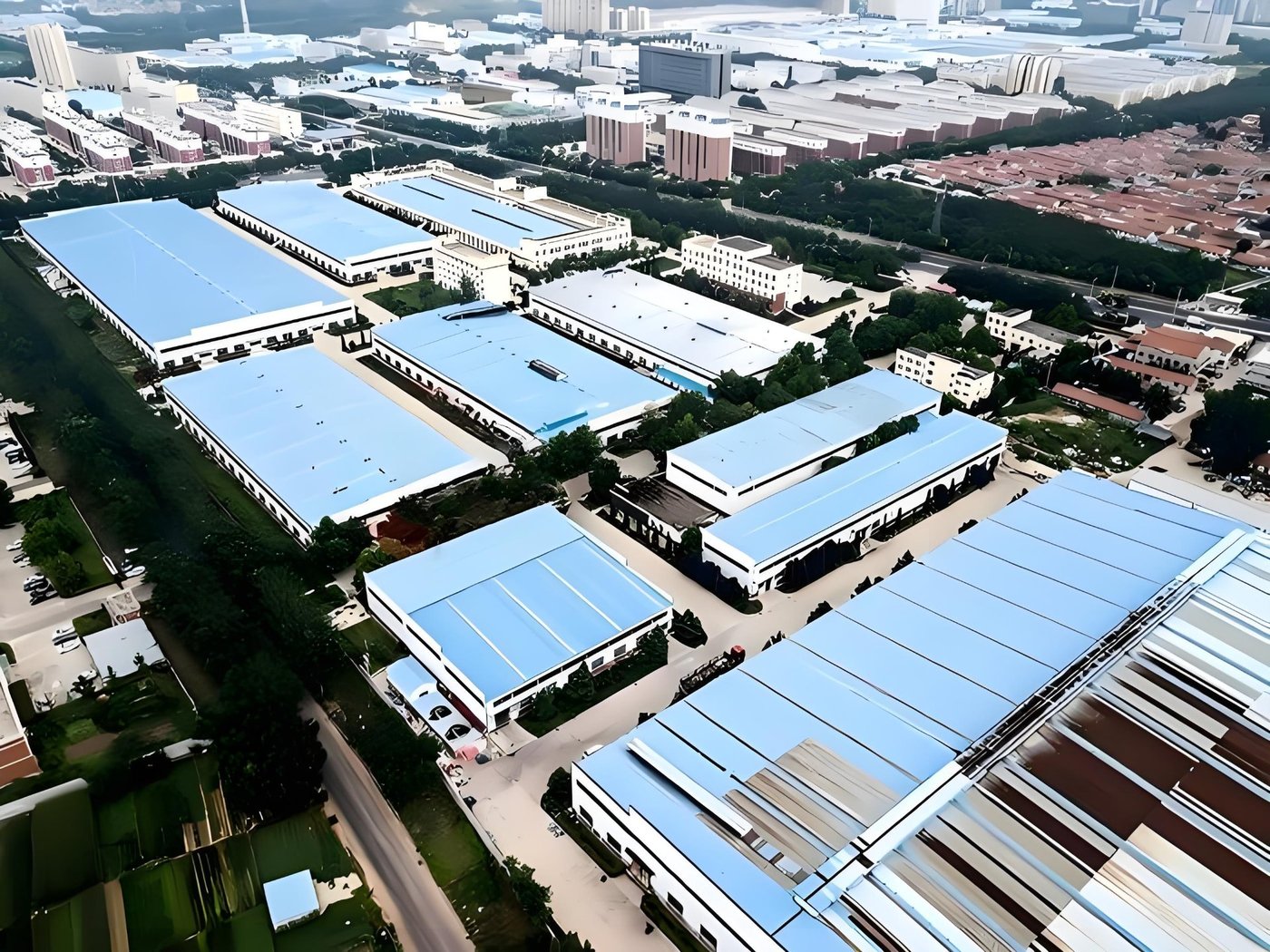
Our 20,000 sqm factory runs 2 automated production lines with a capacity of 100 tons per day. We operate 80+ skilled staff across production, QC, and logistics. During peak season (Q4), we run staggered shifts to ensure on-time delivery. All customers are welcome to schedule a factory visit or video call tour.
3. R&D Capability — Can They Customize and Innovate?
The difference between a contract manufacturer and a strategic partner is R&D. If you want to differentiate your brand, you need a factory that can develop custom formulations—not just copy existing ones.
A capable R&D team can adjust clumping speed, dust level, fragrance, particle size, and material blend to your specifications. They should offer a reasonable sampling turnaround (7–14 days), provide formulation options with pros/cons, and have a track record of successful custom projects. Ask: "How many custom formulations have you developed in the past year?"
A factory that only offers "standard formulations" with no customization options. Sampling that takes 30+ days. Factories that can't explain why they chose a particular ingredient ratio. If every "custom" sample looks suspiciously like their existing bestseller, they're not really customizing.
Our R&D team has developed 200+ custom formulations across tofu, cassava, mixed, bentonite, and silica product lines. Private label sampling takes 7–10 days from confirmed specifications. We provide material safety data sheets (MSDS) and full ingredient transparency for every custom formulation. Our technical team speaks English and responds within 24 hours.
4. Quality Control — 7+1 Dimension Testing System
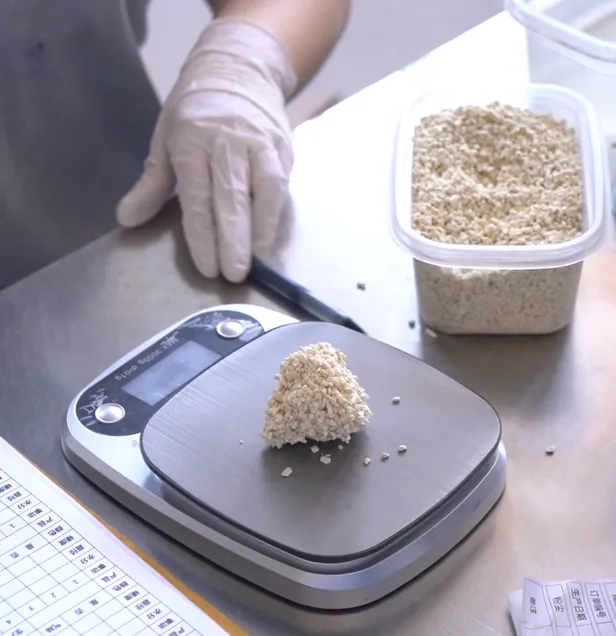
Quality control is where many factories cut corners. A robust QC system should cover the entire production process—not just a final inspection.
A professional factory operates a multi-stage QC process: raw material incoming inspection, in-process checks during production, and finished product testing. They should be able to share their QC checklist, typical defect rates, and how they handle out-of-spec batches. Third-party pre-shipment inspection (e.g., SGS, Intertek) should be available at your request.
"We guarantee 100% quality" with no explanation of how. No documented QC process. Factories that resist third-party inspection. A defect rate that seems too good to be true (<0.1% without explanation). If a factory can't explain their testing methodology, they probably don't have one.
Every Gormeet batch goes through our 14-step precision production process and 5-stage dedusting system. QC covers 7+1 dimensions: appearance, moisture, hardness, clumping performance, drop resistance, 12-hour stability, dust rate, plus order-level quality control. Every batch includes a COA (Certificate of Analysis), samples are retained for 6 months, and batch tolerance is strictly within ±5%.
5. Material Sourcing — Traceability Matters
The quality of cat litter starts with raw materials. A factory that can't trace its materials can't guarantee its product.
Reputable manufacturers have stable, long-term relationships with raw material suppliers and can provide origin documentation. For tofu litter, the soybean source matters—non-GMO, food-grade soybean fiber is the gold standard. For bentonite, the mining source determines clumping quality. Ask for a material spec sheet and supplier list.
A factory that buys raw materials on the spot market without fixed suppliers. Tofu litter made from industrial-grade (not food-contact-grade) soybean processing by-products. No material traceability system. If the factory can't tell you where their soybean fiber comes from, keep looking.
We source food-grade soybean processing by-products from certified suppliers in Shandong and Northeast China. All incoming raw materials are tested for moisture, protein content, and contaminants before acceptance. Our supply chain is fully traceable—every finished batch can be traced back to the raw material lot. This is documented in our raw material advantage documentation, available to all B2B partners.
6. Pricing Transparency — No Hidden Surprises
Price is important, but the total cost of working with a supplier includes much more than the quoted FOB price. Transparency upfront prevents painful surprises later.
A transparent quotation breaks down unit price, MOQ, packaging costs, mold fees (if any), and what's included in the FOB price. Payment terms should be standard (e.g., 30% deposit, 70% before shipment). They should explain their pricing tiers clearly and disclose any circumstances that might trigger a price adjustment (e.g., raw material cost changes with a formula).
A quote with only a single number and no breakdown. "Contact us for pricing" with no indication of MOQ or price range. Sudden price increases after you've committed. Hidden mold fees, barcode fees, or "documentation fees" that appear on the final invoice. If a factory is vague about total landed cost, walk away.
Our quotations are itemized and transparent. FOB Qingdao pricing includes: product cost, standard packaging, and factory-level QC. Custom packaging, private label design, and third-party inspection are quoted separately—no hidden fees. MOQ is 10 tons (approximately one 20GP container) across all product lines. We offer value-driven solutions tailored to your market positioning—request a quotation and we'll respond within 24 hours.
7. Communication — Responsiveness Is a Leading Indicator
How a factory communicates during the sales process is the best predictor of how they'll communicate when there's a problem. Slow responses before you pay usually become radio silence after you pay.
A dedicated point of contact who responds within 24 hours (same business day for urgent matters). They proactively share updates on production status, shipping schedules, and potential delays. English proficiency should be sufficient to discuss technical specifications without confusion. A good factory sends photos of your actual production run—not stock photos.
Three-day response times during the quoting phase. Vague answers to specific technical questions. Communication that suddenly improves when you're slow to pay but deteriorates after payment. If you're dealing with a trading company, you'll often experience a "telephone game" effect where your requirements get distorted.
Every B2B client is assigned a dedicated account manager who speaks English and understands both the technical and commercial aspects of cat litter. We provide production progress photos at key milestones: raw material preparation, production start, packaging, and container loading. Average response time is under 12 hours. For urgent matters, WhatsApp is monitored during business hours: +86 136 3113 0272.
8. Logistics & Shipping — FOB Terms and Port Proximity
A factory's location relative to major ports directly affects your shipping cost and lead time. This is often overlooked but makes a material difference to your margins.
The factory should be within 200 km of a major container port—this keeps inland trucking costs reasonable. They should understand FOB procedures, container loading optimization (how many tons fit in a 20GP/40HQ), and be able to work with your forwarder or recommend a reliable one. They should also be familiar with destination port requirements for your market.
A factory that doesn't know their distance to the nearest port. Inability to provide accurate container loading specs. No experience with your target market's import regulations. Factories in inland provinces shipping from distant ports without accounting for the trucking cost in their quote.
Our factory is in Gaomi City, Shandong Province—approximately 200 km from Qingdao Port, one of China's largest container ports. FOB Qingdao is our standard shipping terms. We regularly ship to North America, Europe, Southeast Asia, and Oceania. Our logistics team can arrange container loading photos, Bill of Lading support, and works with both customer-appointed and factory-recommended freight forwarders.
9. After-Sales Support — What Happens When Things Go Wrong
Any factory looks good when everything goes smoothly. The real test is how they handle quality issues, shipping delays, or specification mismatches. This is where long-term partnerships are made or broken.
A factory with a clear after-sales policy: what happens if goods arrive damaged, if quality doesn't match the approved sample, or if there's a shipping delay. They should offer a replacement or credit note policy for verified quality issues. Batch traceability is essential—they should be able to identify exactly which production run your goods came from.
"All sales are final" with no recourse. A factory that blames shipping damage for everything. No batch numbering system. If you mention a quality issue and they immediately become defensive rather than investigative, that's a serious red flag. Also: factories that don't retain samples of your production run.
Every production batch is retained as a reference sample for 6 months. If you report a quality issue, we investigate by matching your batch number with our retained sample and production records. Verified quality issues are handled with replacement, credit, or discount on the next order—we work to find a solution that maintains the partnership. Our goal is a long-term relationship, not a one-off transaction.
10. Client References — Verify Independently
Any factory can put testimonials on their website. The question is: can they connect you with real references who will vouch for them?
A confident factory will offer to connect you with existing clients in your region or market segment (with those clients' permission). They should be able to share case studies with specific details: volumes, timelines, challenges solved. Check their export history—have they shipped to your target market before? A factory that only sells domestically may not understand your market's regulatory or packaging requirements.
"We can't share client contacts due to confidentiality" (without offering anonymized case studies as an alternative). Testimonials with no company names or details. A factory that claims "we export worldwide" but can't name a single client in your region. Stock photos of "warehouses" that look like they're from a different industry.
Gormeet exports to 20+ countries across North America, Europe, and Asia-Pacific. We have published OEM success stories (anonymized for client confidentiality) that detail the challenge, solution, and outcome. For qualified B2B buyers, we can facilitate introductions to existing clients in similar market segments. Our export experience spans both private label and white-label engagements.
Download: Factory Audit Checklist (Printable)
Use this summary checklist during your factory evaluation calls or visits. Rate each item from 1–5 and calculate the total score. A score above 40/50 indicates a reliable long-term partner.
| Checkpoint | Your Score (1–5) |
|---|---|
| 1. Valid, verifiable certifications (ISO/SGS/REACH) | ___ |
| 2. Transparent production capacity & automated lines | ___ |
| 3. R&D team with custom formulation capability | ___ |
| 4. Documented 7+1 dimension QC process | ___ |
| 5. Traceable raw material sourcing | ___ |
| 6. Transparent, itemized quotation (no hidden fees) | ___ |
| 7. Dedicated contact, <24h response, production photos | ___ |
| 8. Proximity to major port (FOB terms clarity) | ___ |
| 9. Clear after-sales policy + batch traceability | ___ |
| 10. Verifiable client references / export track record | ___ |
| Total Score (max 50) | ___/50 |
Ready to Evaluate Gormeet?
Request a free sample kit and our factory audit checklist. Compare us against your current supplier—we're confident in what you'll find.
Contact Us for Free Sample →WhatsApp: +86 136 3113 0272 | Email: [email protected]
Final Thoughts: Trust, But Verify
The best manufacturer relationships are built on transparency, not sales pitches. A factory that welcomes your questions, shares real production photos, and puts their quality process in writing is worth more than one that offers the lowest price but goes silent after deposit.
Before you commit, we recommend visiting the factory in person (or via live video call), requesting samples from two different manufacturers and comparing them side-by-side, and starting with a small trial order to validate the process end-to-end. The cost of switching suppliers after your first container is significantly higher than the time invested in evaluating properly upfront.
Gormeet was built to be the kind of supplier we'd want to work with if we were in your shoes—transparent quotations, documented quality processes, and a team that picks up the phone when you call. Get in touch to request a sample kit and see for yourself.