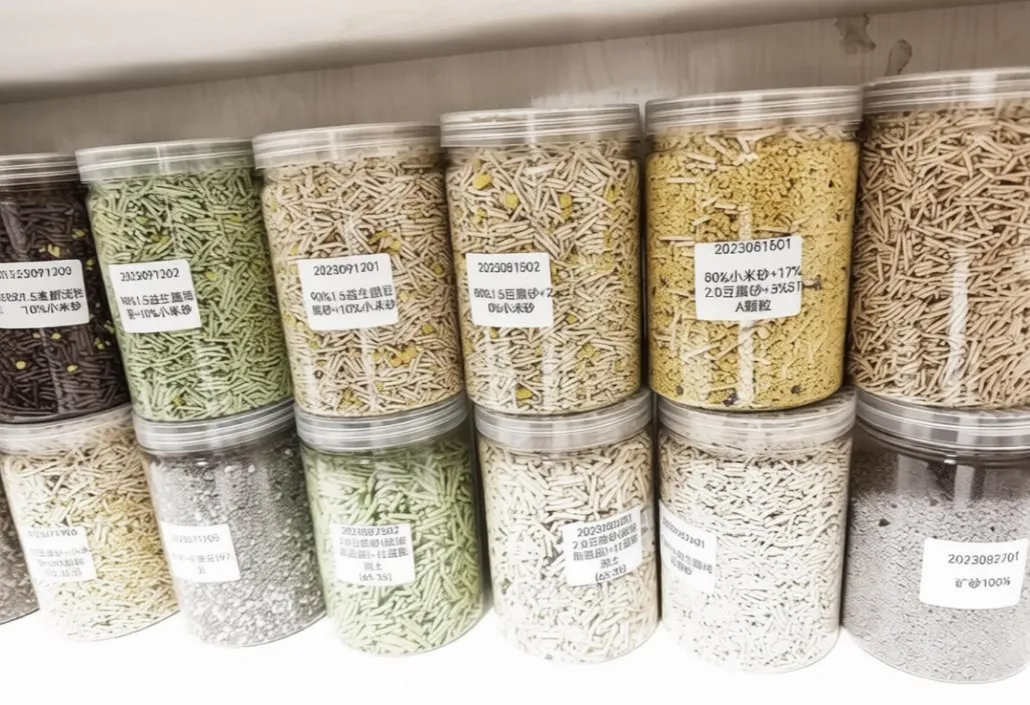
The 14-Step Production Process
From raw material arrival to sealed bags on pallets — every step is controlled, documented, and repeatable. No shortcuts. No "good enough."
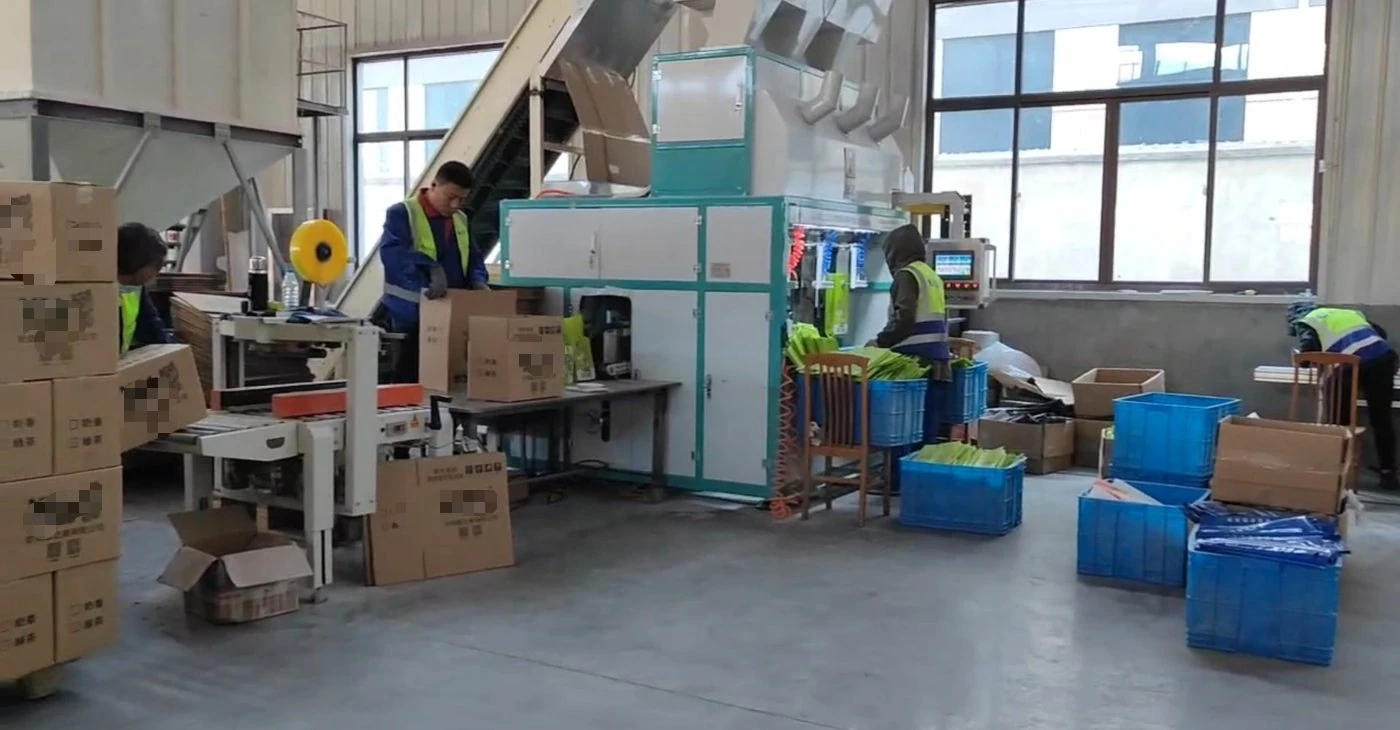
Why 14 Steps Matter
Most cat litter factories run 6-8 steps. We run 14. The extra steps aren't filler — each one solves a specific quality problem that competitors skip.
More steps means more quality checkpoints, more dedusting opportunities, and more consistency between batches. When a Korean buyer opens bag #5,000 and it performs identically to bag #1, that's the 14-step process at work.
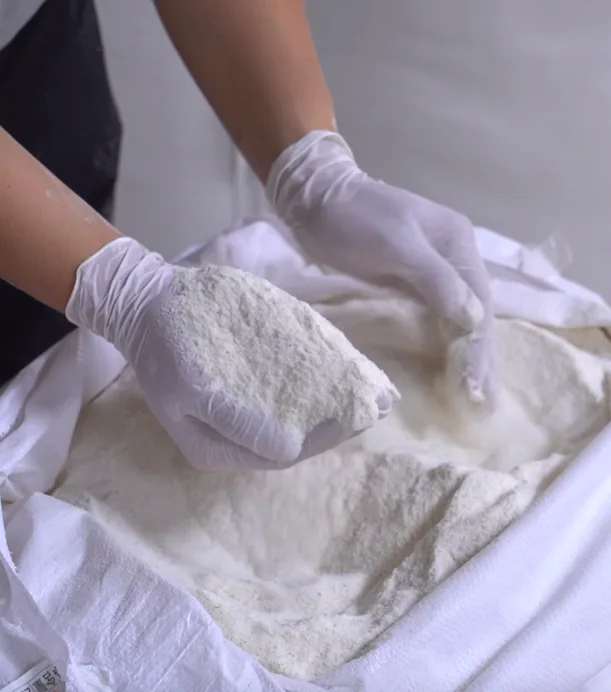
Raw Material Inspection Quality Gate
Incoming pea fiber, corn starch, and cassava starch tested for moisture, protein content, and purity. Any batch failing spec is rejected at the gate — no exceptions.
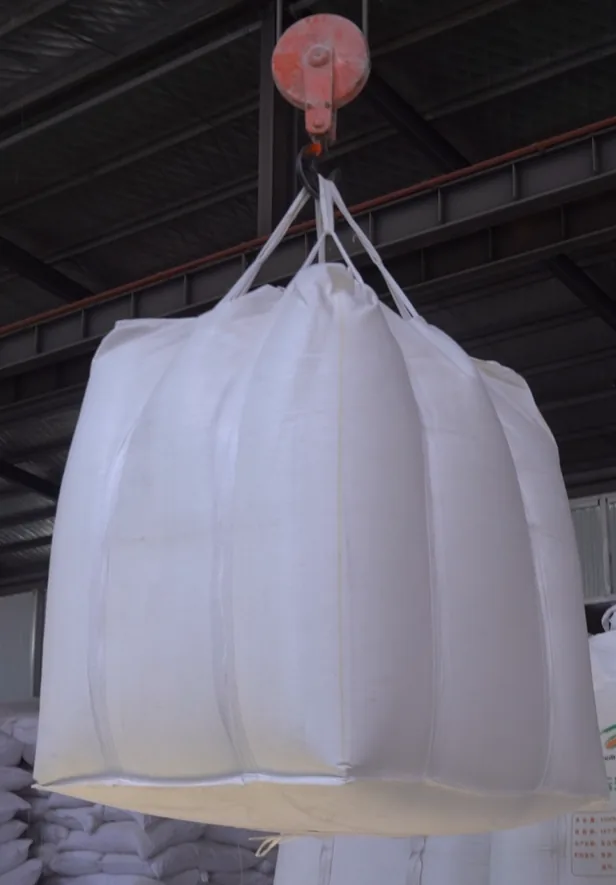
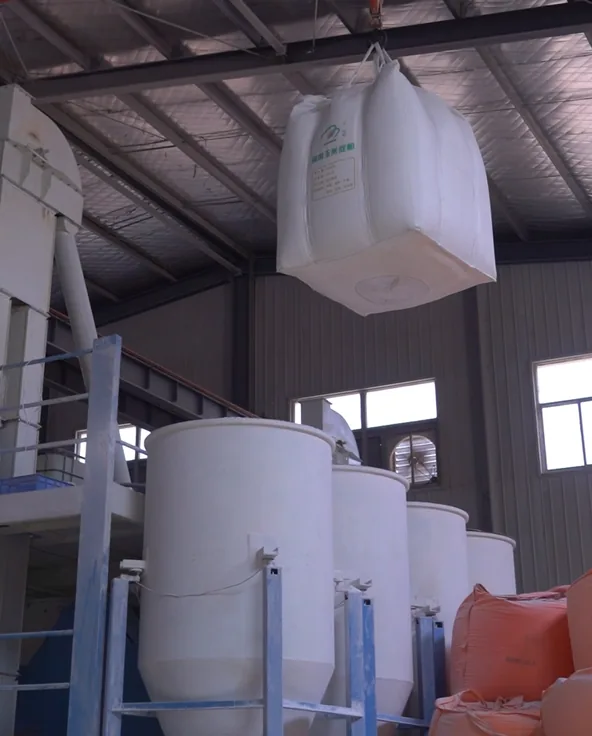
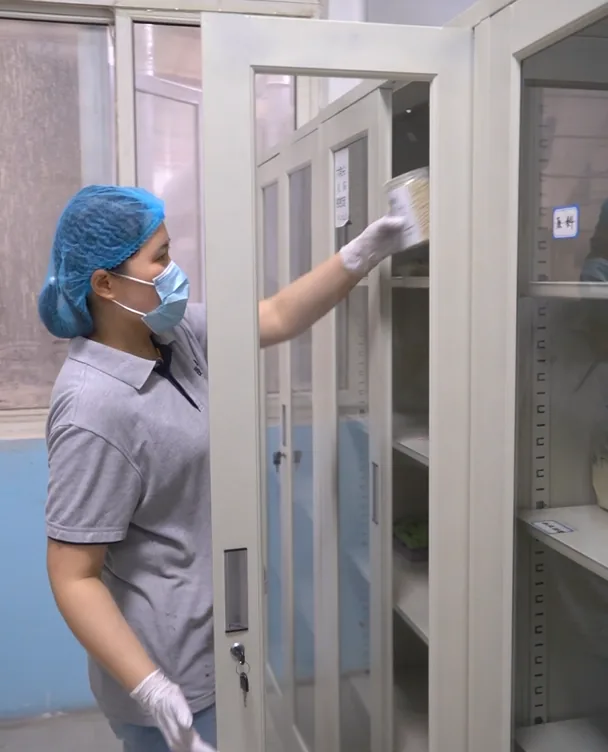
Raw Material Storage
Approved materials stored in climate-controlled silos (temperature < 25°C, humidity < 55%) to preserve freshness and prevent mold or degradation.
Precision Weighing
Automated dosing system weighs each ingredient to ±0.5% accuracy. Manual weighing is eliminated — human error is the #1 cause of batch inconsistency.
Pre-Mixing
Pea fiber, corn starch, and functional additives (binder, odor control agents) are pre-blended in a ribbon mixer for 8 minutes to ensure uniform distribution.
Moisture Conditioning Critical Control Point
Water content adjusted to 18-22% depending on product type. Too dry = pellets crack; too wet = extrusion jams. This is the single most critical variable.
Extrusion & Granulation
Mixture forced through precision dies to form cylindrical pellets. Die diameter determines final pellet size (1.5mm, 2.0mm, 3.0mm for tofu; varies by product).
First Cutting & Sizing
Extruded strands cut to target length (3-8mm). A rotating blade system ensures clean cuts — ragged edges create dust in later stages.
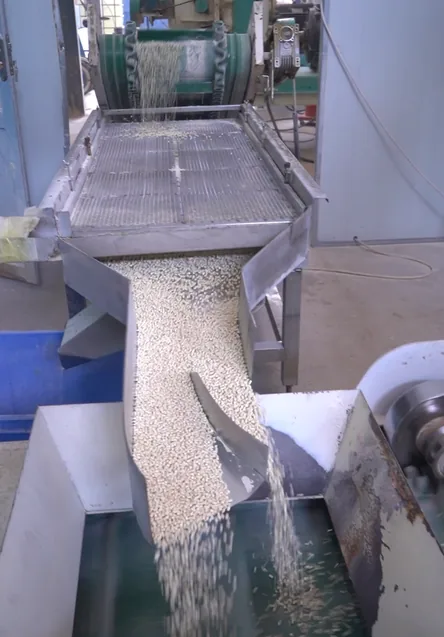
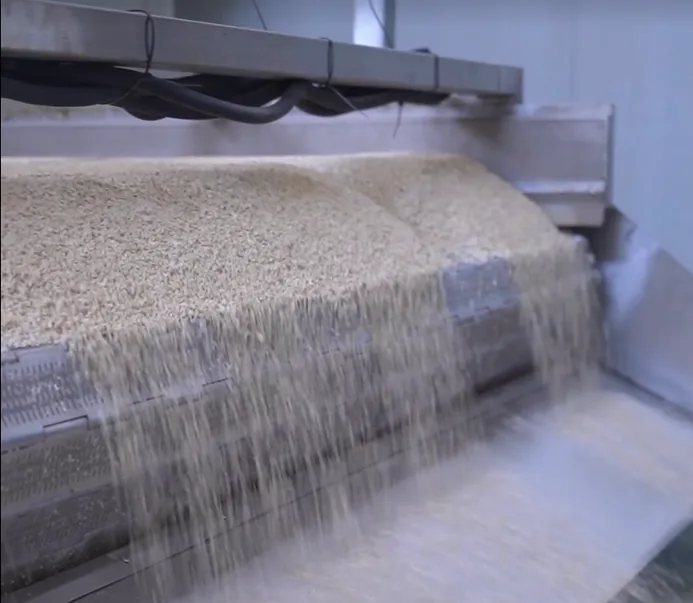
Stage 1 Dedusting — Pre-Screening Dedust 1/5
Vibrating screen removes fines and broken pellets created during extrusion and cutting. First pass captures ~40% of total dust.
Drying Critical Control Point
Pellets pass through a multi-zone dryer at 120-140°C. Moisture reduced from 18% to <10%. Drying temperature and duration are product-specific.
Cooling
Counter-flow cooler brings pellet temperature from ~90°C down to ambient. Rapid cooling would cause micro-cracks; slow cooling preserves structural integrity.
Stage 2 Dedusting — Post-Drying Screen Dedust 2/5
Second vibrating screen removes dust released during drying. Thermal stress causes surface particles to loosen — this stage captures them before packaging.
Stage 3 Dedusting — Polishing Drum Dedust 3/5
Pellets tumble through a rotating polishing drum. Friction removes surface dust and smooths pellet edges. Result: cleaner pellets, less tracking, better feel.
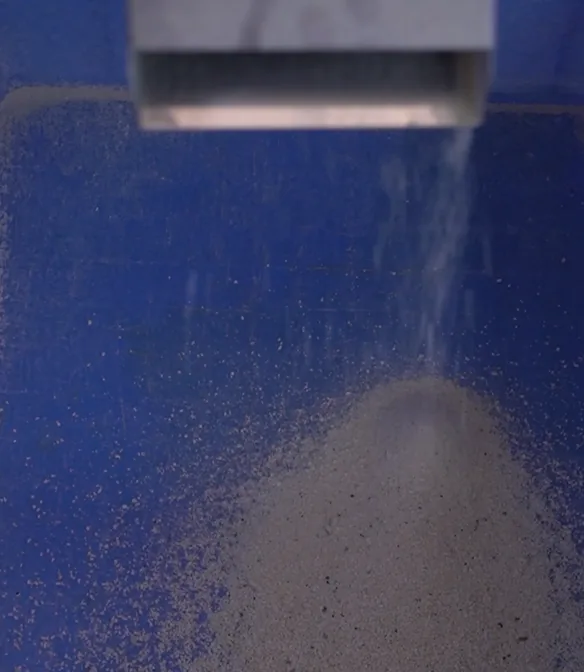
Stage 4+5 Dedusting — Air Classification & Pneumatic Dedust 4+5/5
Air classifier separates by density (removes lightweight dust). Final pneumatic dedusting at the packaging line blows off any remaining micro-particles. Dust < 1%.
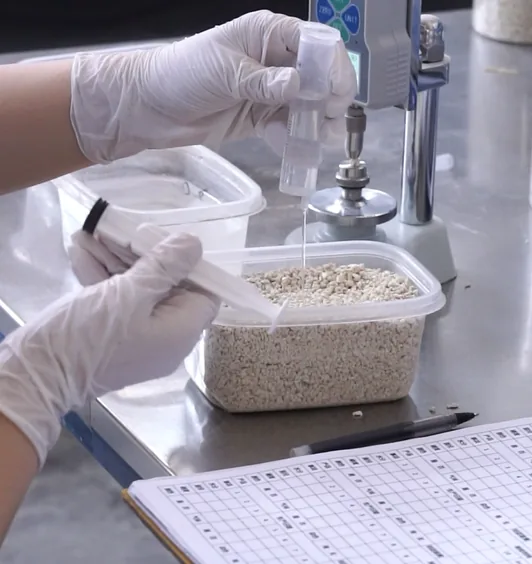
Final QC & Packaging Quality Gate
Pre-packaging QC checks: clumping speed, dust level, pellet integrity, moisture. Only passing batches proceed to automated weighing, bagging, sealing, and palletizing.