📋 In This Guide
OEM vs ODM: What's the Difference?
Quick Answer: OEM, ODM and Private Label
OEM commonly describes production to a buyer's agreed specification. ODM involves supplier-led product design or development, which may begin with an existing formulation. Private label describes selling a product under your own brand and can use either a standard or custom formulation.
Suppliers use these labels differently. Confirm the actual development work, formula rights, packaging responsibilities, costs and approval stages in writing instead of relying on the label alone.
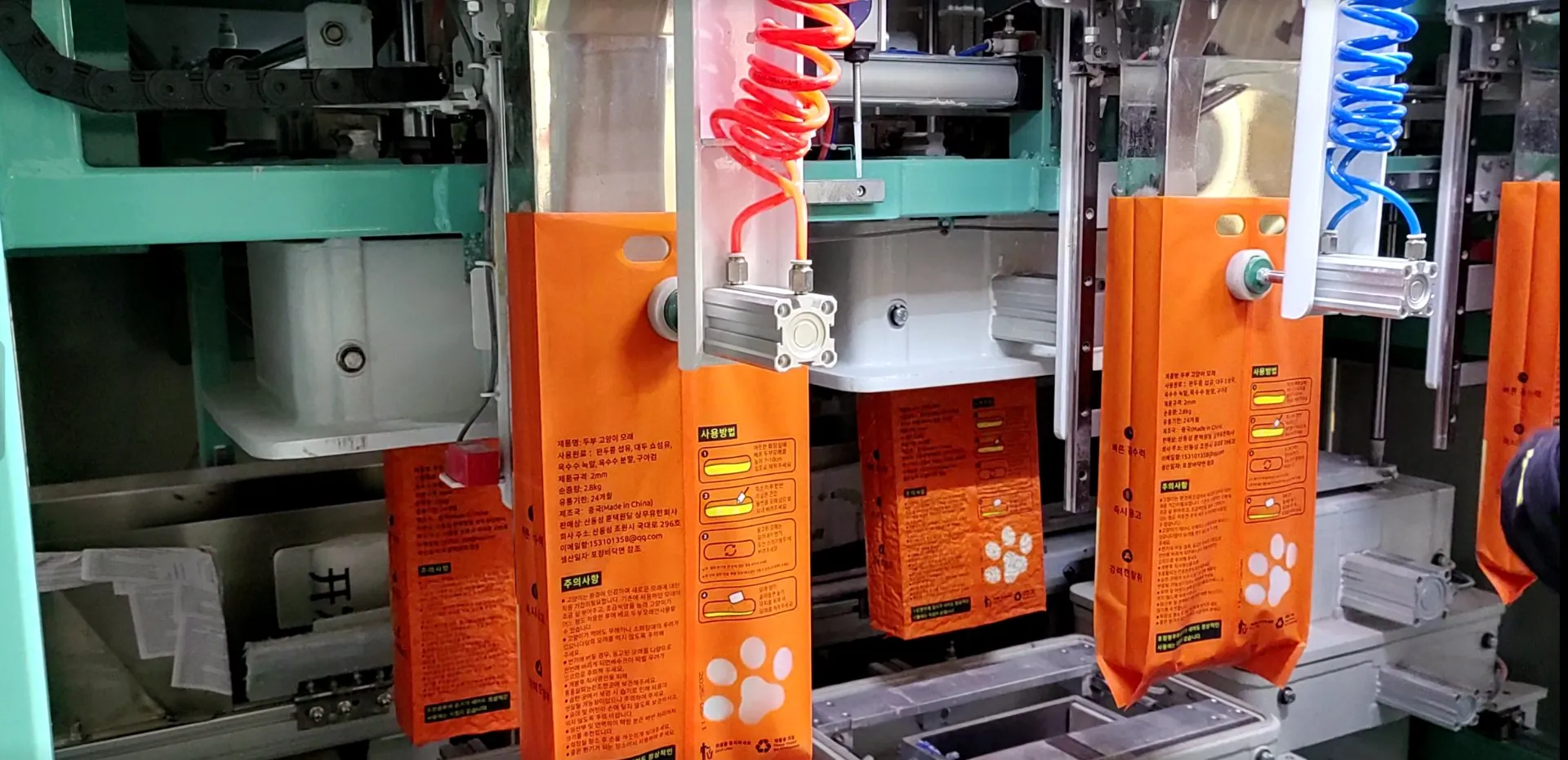
In practice at Gormeet: OEM means you walk in with a formula, and we run it on our line — every spec belongs to you, and we sign an NDA. ODM means our R&D is already done — you pick a formula from our shelf, put your brand on the bag, and ship. Don't confuse ODM with "generic": our base formulas have been refined across hundreds of containers shipped to 20+ countries. For what you can customize, see our custom formulation guide and packaging options page.
Side-by-Side Comparison
| Decision | Buyer-specified manufacturing (OEM) | Supplier-led development (ODM) | Existing formula under your brand (Private Label) |
|---|---|---|---|
| Starting point | Your specification or reference formula | Your target performance and product brief | A formulation available for evaluation |
| Development work | Feasibility and production validation | Formulation development and testing | Product selection and agreed changes |
| Formula rights | Confirm ownership and confidentiality | Agree ownership, usage rights and exclusivity | Confirm usage rights and limits |
| Sampling | Validate the specification | Compare development samples | Evaluate the selected product |
| MOQ | Confirm by formula, SKU and packaging | Confirm development and production requirements | Confirm formula availability and packaging MOQ |
| Timing | Approval and production milestones | Add development and revision milestones | Confirm sample, artwork and production milestones |
Choose Your Next Step
- You have a specification: review our OEM manufacturing capabilities and prepare your production brief.
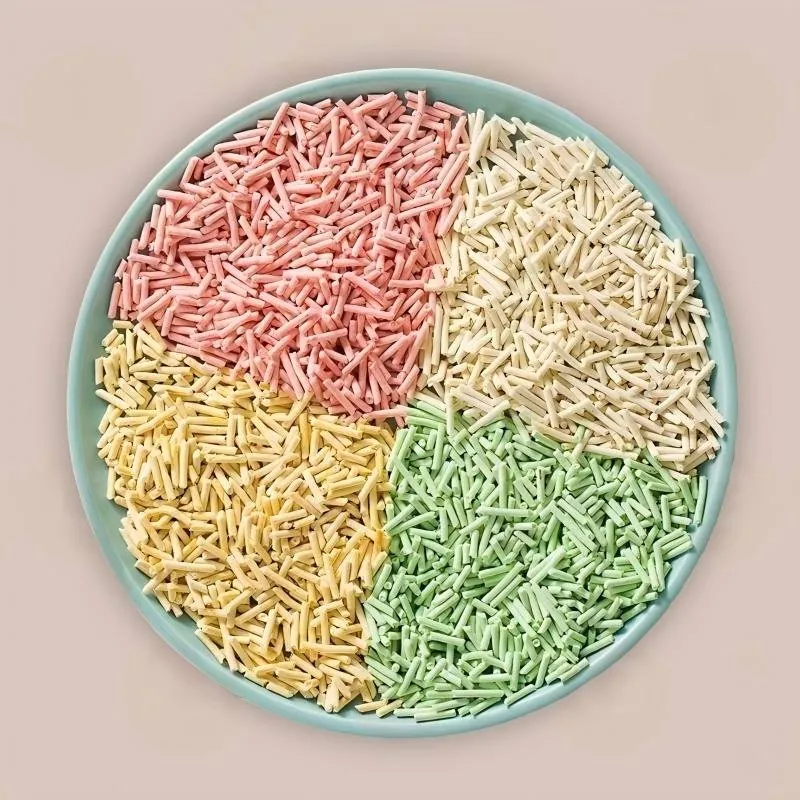
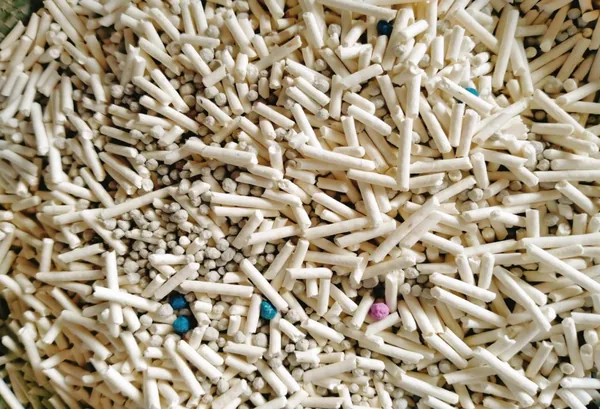
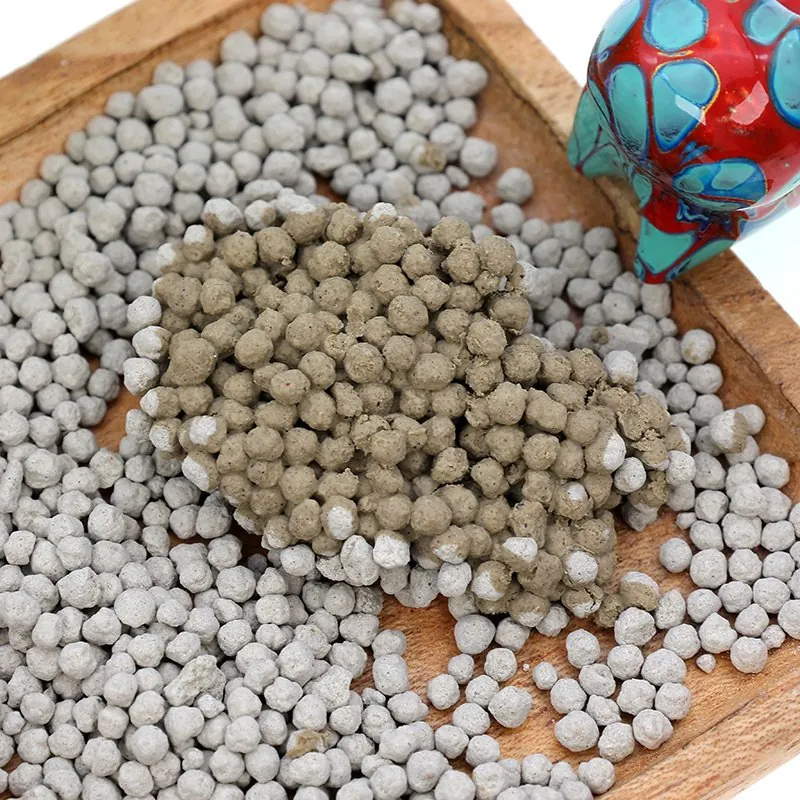
- You need to choose a product: compare tofu cat litter grades and mixed cat litter formulations.
- You want a product under your brand: review the private label project process.
Which One Should You Choose?
I get asked this at least 3 times a week. The answer depends on three things: whether you know your market already, whether speed or differentiation matters more, and how much cash you want to commit upfront.
| Go OEM when… |
|
| Go ODM when… |
|
Here's what I tell buyers on calls: start ODM, learn your market, then transition to OEM when you have data. Nearly every Gormeet client who's been with us for 5+ containers follows this path. Container 1–3: ODM, build your brand, collect customer feedback. Container 4+: take that feedback to our R&D lab and tweak the formula. You upgrade to OEM without the gamble of going OEM from day one.
Why Choose China for Cat Litter Manufacturing?
If you're sourcing cat litter, China is not just an option — it's where the supply chain lives. Here's why.
Raw Material Advantage
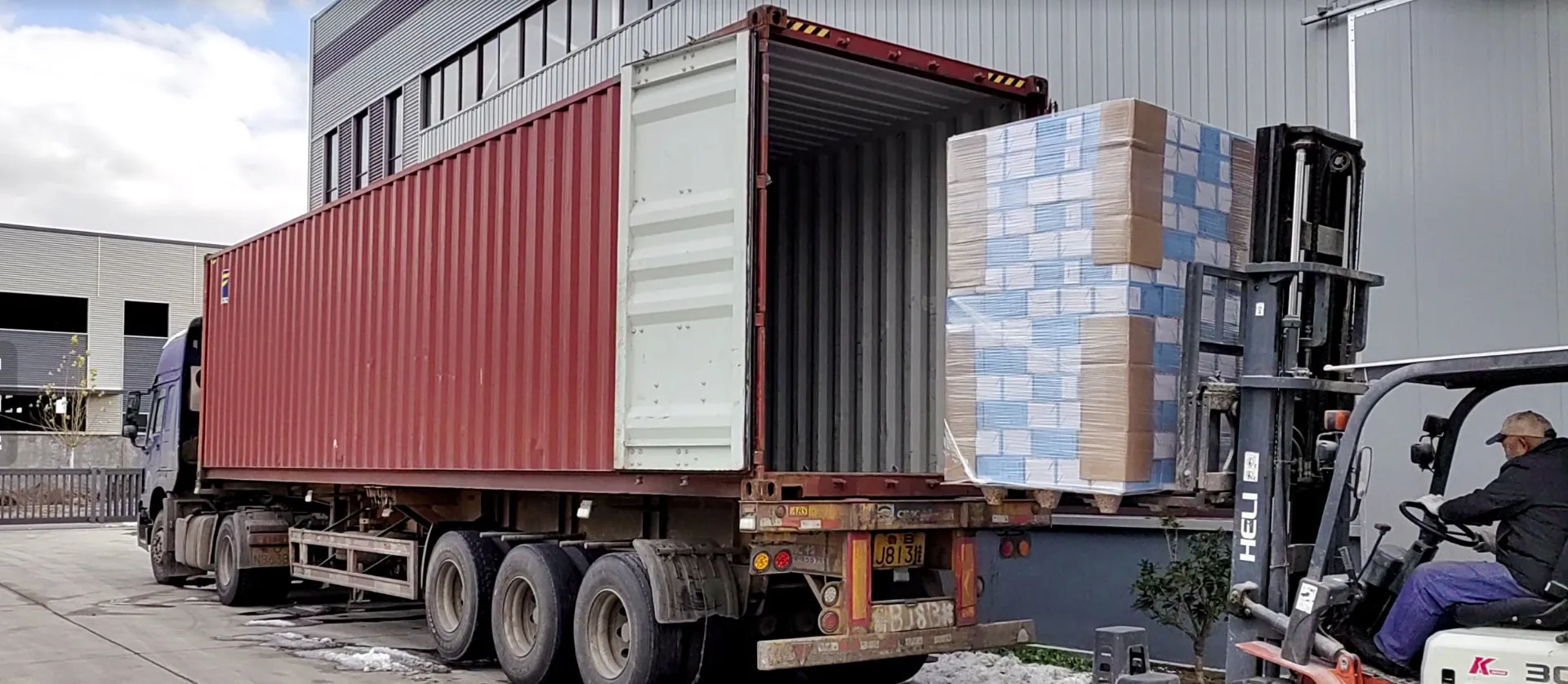
China dominates the plant-based cat litter raw material supply chain. Pea fiber, corn starch, cassava — the primary inputs for tofu, mixed, and cassava litters — are produced at scale in China. This isn't just about cost. It's about consistency. When your formula depends on pea fiber with a specific protein content and particle distribution, you need a supplier who controls the upstream supply. At Gormeet, our raw material suppliers are within a 200km radius of our factory — we audit them quarterly, and we reject batches that don't meet spec before they touch our production line.
Manufacturing Scale You Can't Match Elsewhere
A single Chinese cat litter factory can produce 100 tons per day — that's roughly the output of 10 small factories in Southeast Asia combined. Scale translates to three things for buyers: reliable lead times (your container doesn't get delayed because the factory took another order), consistent quality (dedicated QC teams at every checkpoint, not one person checking everything), and negotiating power on raw materials (buying pea fiber by the truckload vs. by the bag).
20+ Years of Export Infrastructure
China's port-to-vessel logistics for containerized goods are the most mature in the world. Qingdao Port — where our containers depart — handles over 20 million TEUs annually. Export documentation, fumigation certificates, bills of lading — this is routine work, not a scramble. For buyers, that means fewer customs surprises and predictable sailing schedules.
The Gormeet Difference: We're Not "Every Chinese Factory"
Let's be honest — the reputation of Chinese manufacturing isn't all positive. You've heard the stories: bait-and-switch quality, missed deadlines, communication blackouts. Those factories exist. We built Gormeet to be the antidote: ISO 9001 certified, 80+ employees, 100-ton daily capacity, and a dedicated account manager who responds within 24 hours — in English, with actual answers, not templates. We've shipped to 20+ countries because we do what we said we'd do, when we said we'd do it.
5 Key Factors When Choosing an OEM/ODM Partner
Not all cat litter factories are built the same. Here are the five things that separate a reliable partner from a headache.
1. Formulation Capability — Can They Actually Do R&D?
A factory with 3 engineers who've completed 200+ custom formulations is in a different league from one with "a lab" that's really just a corner with a scale and a bowl of water. Ask about specific projects: "What's the tightest dust spec you've ever hit?" "Tell me about a formula that failed and what you did to fix it." Good factories have war stories. Bad ones have brochures. To compare how different formulations perform as finished products, see our plant-based cat litter comparison.
2. MOQ Flexibility — Real Numbers, Not Sales Pitches
Standard MOQ is 10 tons (1×20GP) for both OEM and ODM. Here's where it gets flexible: for ODM orders, if we're already running a batch of the same formula for another client, you can sometimes piggyback at 3–5 tons. OEM orders need a dedicated production run — 10 tons is the floor, no way around it. For details, see our minimum order guide.
| Product Type | OEM MOQ | ODM MOQ | Container |
|---|---|---|---|
| Tofu Cat Litter | 10 tons | 10 tons (3–5 tons trial sometimes available) | 1 × 20GP |
| Cassava Cat Litter | 10 tons | 10 tons | 1 × 20GP |
| Mixed Cat Litter | 10 tons | 10 tons | 1 × 20GP |
| Bentonite Cat Litter | 10 tons | 10 tons | 1 × 20GP |
3. Timeline Reliability — What "6–8 Weeks" Actually Means
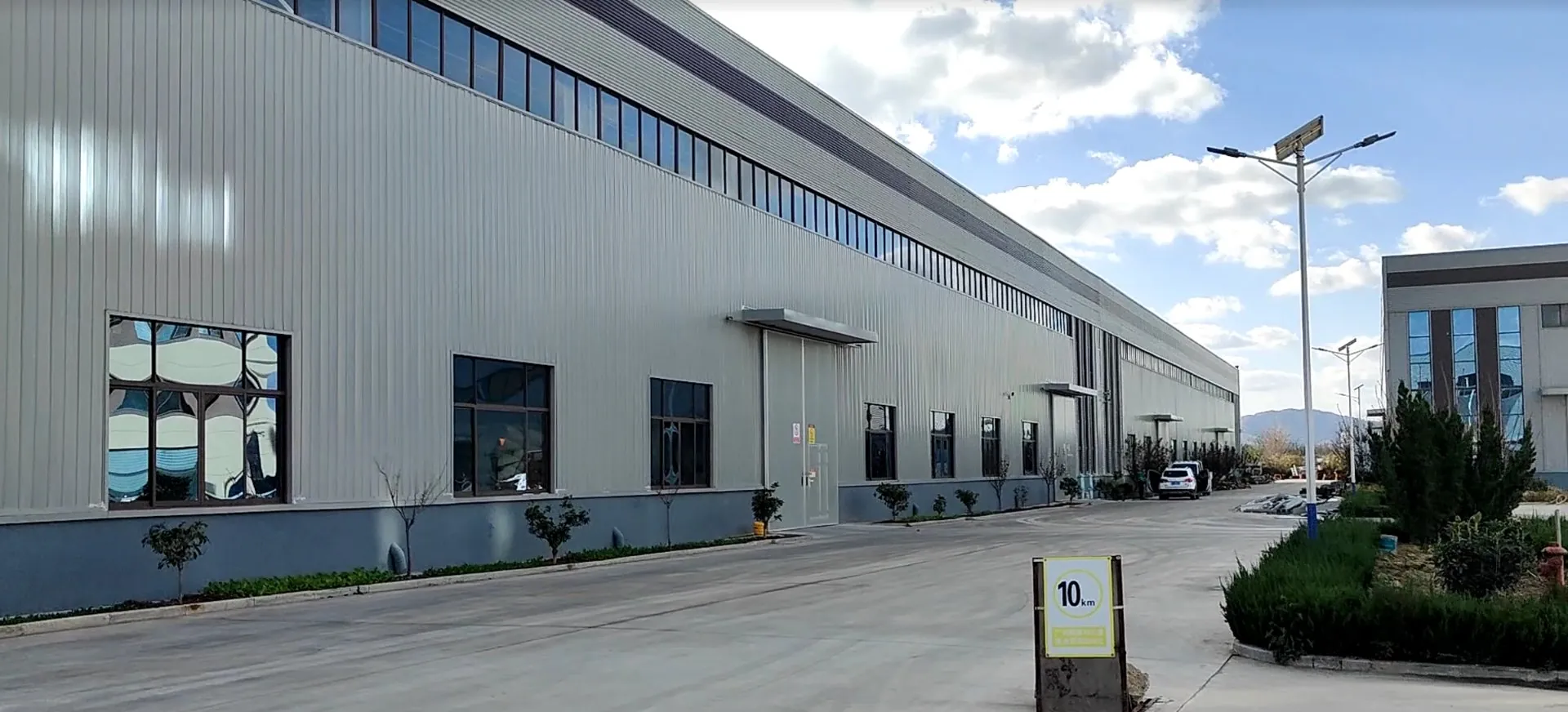
Every factory quotes timelines. Ask them to break it down week by week. For OEM:
- Week 1: Spec sheet review, feasibility check — we flag issues immediately, no waiting a week for "we'll look into it."
- Week 2–3: Lab trials — 2–3 batches, samples shipped via DHL/FedEx (3–5 days transit). You test, give feedback, we tweak.
- Week 4: Formula approved. Packaging artwork signed off. Production slot reserved.
- Week 5–6: Full production with inline QC at 3 checkpoints.
- Week 7–8: Container loading with photo documentation, export paperwork, vessel departure confirmed.
For ODM, skip Weeks 2–3 — same process, 3–4 weeks total. The biggest delay source isn't the factory — it's the buyer taking 2 extra weeks to approve bag artwork. We've seen it dozens of times.
4. QC Infrastructure — How Do They Actually Catch Problems?
Ask this: "Walk me through your QC checkpoints on a production run." A real factory will tell you: raw material intake inspection, mid-production sampling (every 2 hours), finished product lab test (dust, moisture, clumping time, pH, fragrance consistency). If their answer is "we have quality control" with no specifics, that's a red flag. At Gormeet, every batch gets a lab report. We share it with you before the container leaves.
5. Communication — Can You Reach a Human?
This one kills more partnerships than product quality. Does your contact respond within 24 hours? In English? With actual answers, not templates? Can they explain a formulation trade-off without reading from a script? At Gormeet, you get a dedicated account manager who knows your product history. Not a rotating cast of sales reps guessing at your formula from an old email chain.
📋 Ready to evaluate suppliers? Use our step-by-step Cat Litter Manufacturer Checklist — 20 questions to ask before you sign anything.
Gormeet's OEM/ODM Capabilities at a Glance
Most cat litter factories in China specialize in one model or the other. We built our operation to handle both — which means you don't get pushed toward whatever's easier for the factory. For understanding the raw materials behind each formulation, our sourcing guide covers pea fiber, cassava, bentonite, and silica in depth.
If You Go OEM With Us
- 3 full-time formulation engineers200+ custom formulas
- Starting point, not blank slate. With 200+ existing formulas in our database, we rarely start from zero. We iterate from a proven base — faster and more reliable.
- 2–3 trial batches included in the development process. You pay one R&D fee, not per iteration.
- NDA locked. Your formula gets a code number. Only the R&D lead and your account manager know what's behind it.
If You Go ODM With Us
- 12 formulas across 4 product types, all market-tested across different climates, cat demographics, and logistics chains.
- 4-grade system (S/A/B/C). Pick the grade that matches your price point and market positioning.
- Packaging design support.completely custom bag design
- Evaluation samples. Test before you commit. We'll prepare samples of any formula you're considering — confirm current sample and courier terms for your destination when you request them.
How the Sampling Process Works
Before you commit to a full container, you need to hold the product in your hands. We make this fast and transparent.
What Does Cat Litter Sampling Cost?
Ask the supplier to separate the sample product, custom development and courier charges. Standard samples and custom trial batches may have different terms. Confirm the sample quantity, preparation time, shipping cost and any later order credit before dispatch.
Gormeet's sample request page sets out the sample program. Confirm the current terms for your destination and chosen product when making the request.
Step 1: Tell Us What You Need (Day 0)
Send us a message on WhatsApp or through our contact form. Tell us which product type you're interested in (tofu, cassava, mixed, bentonite, silica), what market you're targeting, and any specific requirements. Our team responds within 24 hours — usually same day during China business hours.
Step 2: We Prepare Your Samples (Days 1–2)
For ODM: we pull existing stock samples of the formulas you want to test. We can send multiple grades (S/A/B/C) and fragrance options so you can compare side by side. For OEM: our R&D lab runs a small-scale trial batch based on your spec sheet. Same raw materials, same ratios — just 5kg instead of 10 tons.
Step 3: Courier Shipping
Samples are shipped via DHL or FedEx. Transit time depends on your country — typically 3–5 business days to Europe and North America, faster within Asia. You get a tracking number the moment it leaves our factory. Courier charges are confirmed with you before dispatch.
Step 4: You Test, We Follow Up
Run the samples through whatever tests matter to you: clumping speed, dust level, flushability, scent preference, cat acceptance. When you're ready, we hop on a call (usually 15–20 minutes) to go over your feedback. No pressure, no "limited time offer" nonsense. If you like what you test, we discuss next steps. If you don't, we figure out what needs to change before you commit a cent to production.
Reference: WTO trade terminology reference
What Determines Production Lead Time?
Separate development, sample delivery, buyer testing, artwork approval, production and freight into distinct milestones. An estimated production time is not a promise of delivery to your warehouse. Request a schedule for your exact specification and destination.
FAQ: Common Questions About Cat Litter OEM/ODM
For compliance documentation (ISO, SGS, COO, Phytosanitary) required in OEM/ODM contracts, see our certification guide.
Q: Does OEM automatically mean I own the formula?
The label alone does not establish ownership. Confirm the rights to your existing formula and any new development, along with confidentiality and exclusivity, in the project agreement.
Q: Is ODM always a stock formula with no development?
No. Suppliers use the term differently. Ask whether the work includes selecting a standard formula, modifying one or developing a new product.
Q: What determines MOQ?
Formula, production requirements, printed packaging and the number of SKUs all matter. Check the minimum order guide, then confirm the exact quantity in your quotation.
Q: Can I change the formula after launching my brand?
Discuss the requested change, new samples, product claims, packaging and acceptance criteria before approving a revised specification. Keep the old and new versions identifiable for repeat orders.
Q: Can I start with ODM and switch to OEM later?
Yes — and this is exactly what most of our long-term clients do. Start with ODM to test the market, build your brand, and collect real customer feedback. After a few containers, bring that data to our R&D lab and we'll iterate toward a custom formula. You upgrade to OEM with real market validation behind you, not guesses.
Q: Which countries does Gormeet ship to?
We've shipped to 20+ countries across Europe, North America, Southeast Asia, the Middle East, and South America. Our containers depart from Qingdao Port with full export documentation. We're experienced with the import requirements of the EU (REACH-aligned formulations), the US, and most major markets.
The Trade-offs Nobody Talks About
Here's something you won't find in most factory brochures: cat litter formulation is a constant tug-of-war. Every performance metric you care about — clumping strength, absorption speed, dust level, flushability, fragrance retention — is connected. Push one up, and something else gives. This is physics, not marketing.
Clumping vs. Sticking
Want a rock-hard clump that won't crumble when scooped? That usually means more binder — which can make the clump stick to the bottom of the litter box like glue. We've tested formulas where the clump held together underwater for 30 minutes (impressive in the lab, useless in a real litter box because it welded itself to the tray). Finding the sweet spot between "solid clump" and "clean release" is one of the hardest parts of formulation work.
Absorption Speed: Too Fast = Weak Clumps
If the litter absorbs liquid too quickly, moisture gets locked into individual particles before they can bind together. Result: a large, fragile clump that falls apart the moment you touch it. Too slow, and urine spreads before the clump forms — giving you a thin pancake that sticks to the box. The ideal absorption window is narrow, and it changes depending on climate. A formula that works in dry Northern Europe might not hold up in humid Southeast Asia.
Dust Control vs. Production Speed
Getting dust below 0.5% means running the production line slower, with extra screening and dedusting passes. That adds about 8–12% more cost per ton vs. a standard 2% dust spec. 99.5% dust-free is achievable and practical. "Zero dust" doesn't exist in a factory producing 100 tons a day — anyone who promises it is either lying or has never run a production line.
Fragrance Longevity vs. Cat Acceptance
The stronger the fragrance, the longer it masks odors — but cats have 14× more olfactory receptors than humans. What smells "mildly pleasant" to you can be overwhelming to a cat. We recommend testing fragrance intensity at 50% of what smells "right" to a human nose.
A Final Thought
Making cat litter is a lot like being human. Every strength comes with a corresponding weakness. The goal isn't to eliminate every flaw — it's to find the balance that works for your specific situation. There is no perfect cat litter. There is no perfect person. But there is perfection in finding your balance.
Free OEM vs ODM Decision Framework — Comparison Matrix & Upgrade Path
Download the complete decision framework PDF with 6-dimension comparison table, cost analysis worksheet, and recommended ODM→OEM upgrade path for growing brands.
📥 Download Free PDFTurn Your Manufacturing Choice Into a Clear Brief
Send your target market, product type, packaging format and estimated order volume. Include a specification or benchmark sample if you have one, and tell us whether you need product development or a formulation to evaluate.
Request a Manufacturing Quote Request Evaluation SamplesReviewed by Gormeet Sales Team | Last updated: July 2026