Recommended Products for You
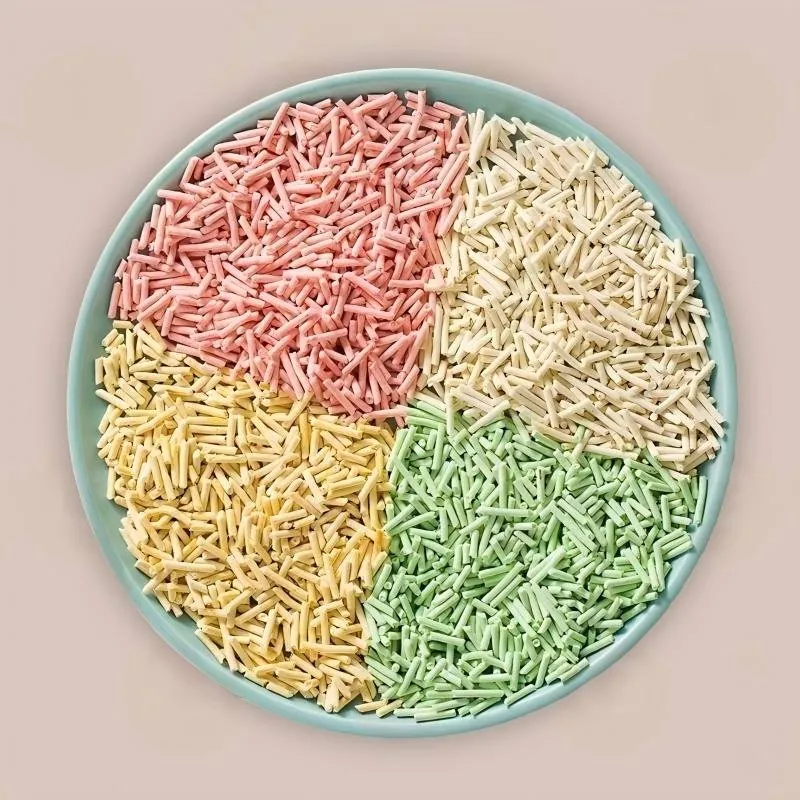
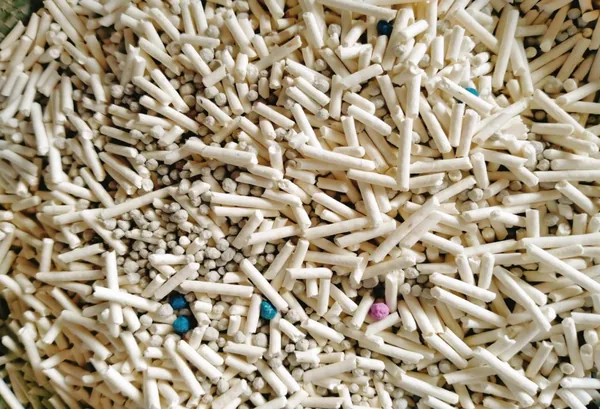
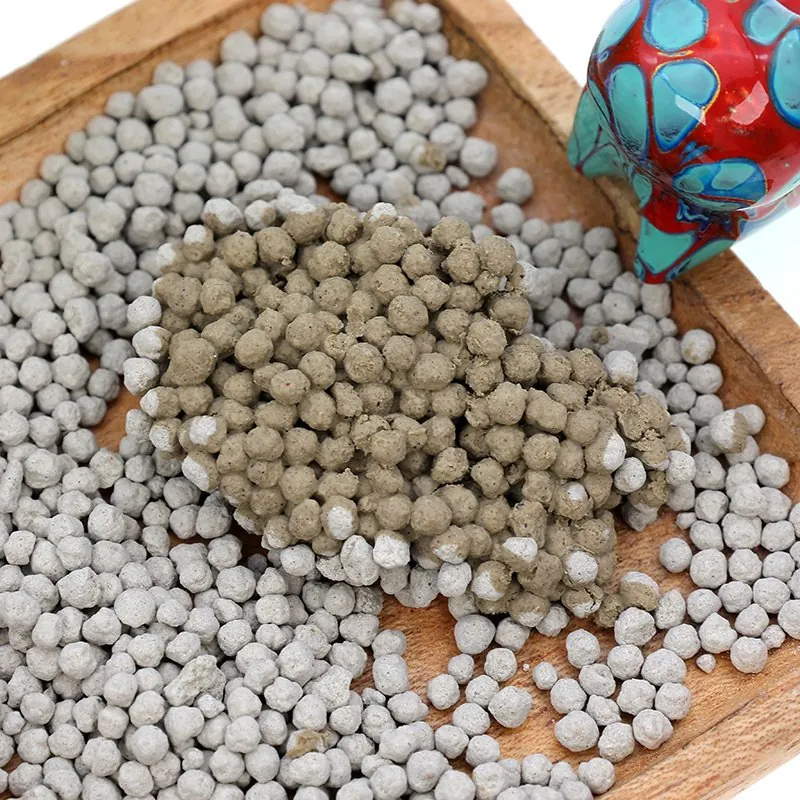
Your complete reference for cat litter questions: types, usage, health, sourcing, shipping, and more. Curated for B2B buyers and retailers.
Critical health considerations for cat owners and retailers. Share these with your customers.
Answer: Cat litter itself is safe, but cat feces may contain Toxoplasma gondii parasite. Pregnant women should avoid cleaning litter boxes. If unavoidable, wear gloves and mask, wash hands thoroughly after.
B2B Tip: Include health warning on packaging for pregnant customers.Answer: Prolonged exposure to high-dust litter (bentonite, dust rate >10%) may cause respiratory issues. Low-dust litter (tofu, dust rate <3%) is safer. Silica dust is particularly concerning (crystalline silica is carcinogenic with long-term exposure).
B2B Tip: Promote low-dust options (tofu Grade S/A) for health-conscious customers.Answer: Occasional ingestion of small amounts is usually harmless (especially tofu/cassava which are food-grade). However, regular ingestion may indicate nutritional deficiency (anemia) or pica behavior. Consult veterinarian.
Practical advice for cat owners. Use this section for customer education materials.
Answer: Depends on litter type and number of cats:
Answer: Possible causes:
Solution: Switch to non-food-based litter (silica) temporarily, consult vet for blood test.
Answer: Yes, but only certain combinations:
Essential information for importers, distributors, and private label buyers.
Answer: Typical MOQs:
Gormeet MOQ: 10 tons for all orders (standard and OEM). 5kg free sample (you pay shipping).
Answer: Check these 5 factors:
Answer: Typical lead times:
Answer: Shipping arrangements depend on Incoterm:
| Incoterm | Shipping Responsibility | Risk Bearer |
|---|---|---|
| EXW (Factory) | Buyer arranges and pays for all transportation | Buyer |
| FOB (Free on Board) | Seller pays to port, buyer pays ocean freight | Shared |
| CIF (Cost, Insurance, Freight) | Seller pays to destination port (includes additional cost) | Seller (until port) |
| DDP (Delivered Duty Paid) | Seller pays everything (most comprehensive) | Seller |
Gormeet Default: FOB Qingdao (buyer arranges ocean freight).
Stay compliant with international regulations and meet eco-conscious customer demands.
Answer: Biodegradability by type:
Note: "Biodegradable" does not mean "home compostable". Industrial composting (70°C+) is required for cat waste.
Answer: Partial bans:
Our technical team answers B2B buyer questions within 24 hours. Get expert advice on product selection, compliance, and sourcing strategy.