Tofu vs Bentonite Cat Litter: Which One Should Brands Choose?
Quick Answer:
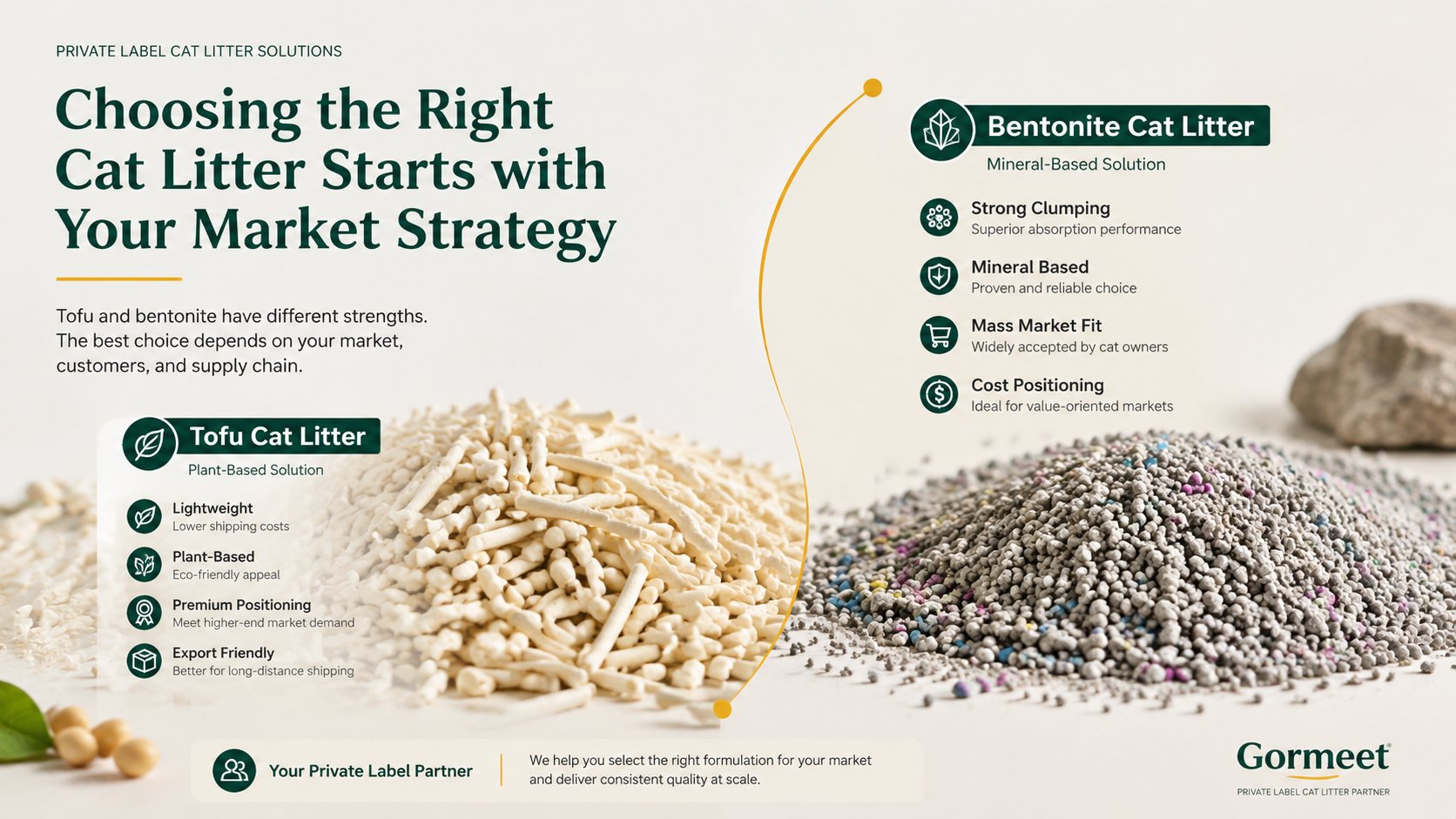
Tofu and bentonite cat litter serve different market needs. Tofu litter is often considered for natural positioning, while bentonite remains widely used because of its familiar performance and availability.
The right choice depends on customer expectations, market positioning and supply chain strategy.
A Plant-Based Cat Litter Solution
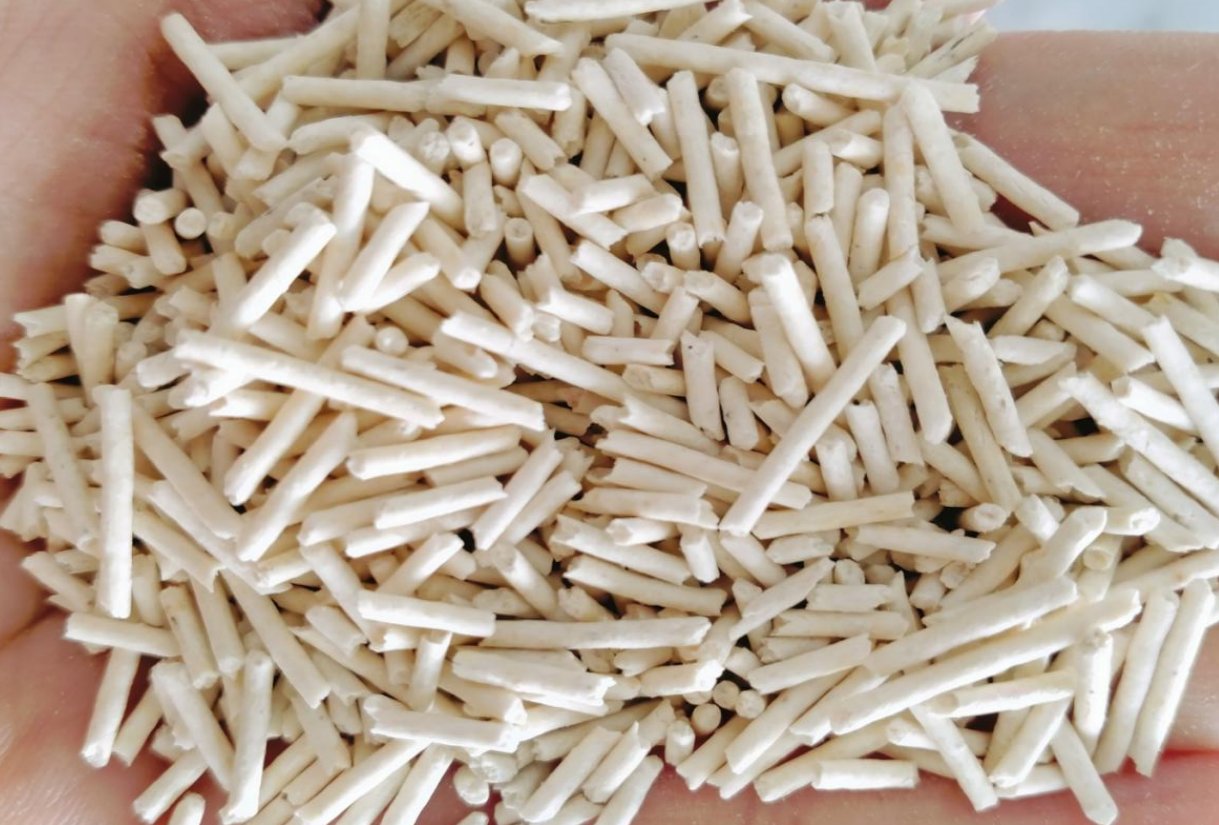
Tofu cat litter is made from plant-based fiber materials and has become increasingly recognized in markets where consumers value natural positioning and lightweight product concepts.
For brands developing premium or environmentally positioned products, tofu cat litter can provide a different market approach.
Key Characteristics
- Plant-based material positioning
- Lightweight product structure
- Premium market appeal
- Suitable for brands targeting specific consumer preferences
A Mineral-Based Cat Litter Solution
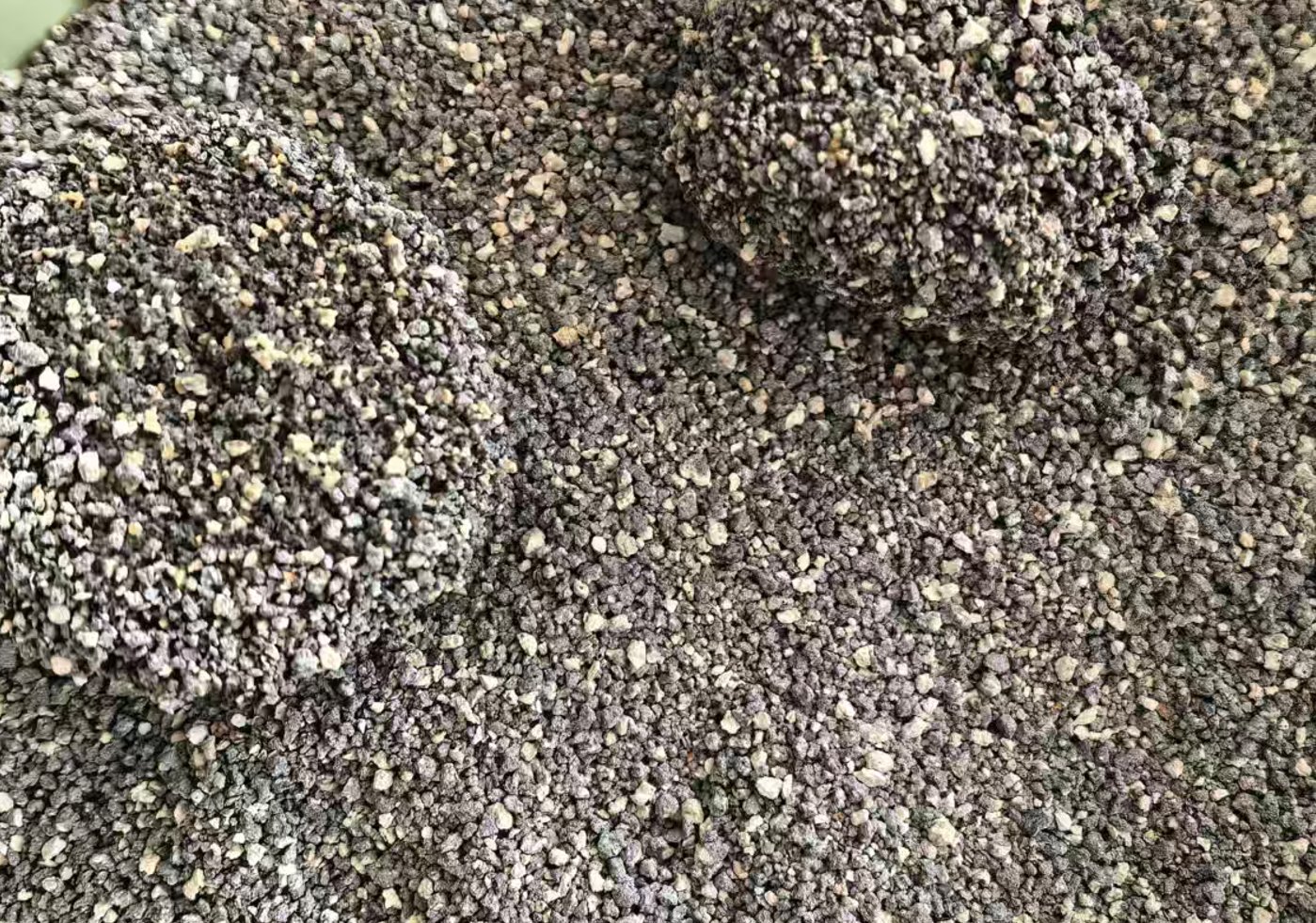
Bentonite cat litter is based on natural clay minerals and has been widely used in the global cat litter market. Its established consumer acceptance makes it a familiar choice for many markets.
Key Characteristics
- Mineral-based material
- Strong clumping performance
- Broad consumer recognition
- Flexible market positioning
Tofu vs Bentonite Cat Litter Comparison
The table below compares the two categories from a business and market positioning perspective. These are general characteristics — actual product attributes depend on specific formulations and manufacturing quality.
| Factor | Tofu Cat Litter | Bentonite Cat Litter |
|---|---|---|
| Material | Plant-based fiber | Mineral clay |
| Market positioning | Premium / natural-oriented | Mainstream / widely accepted |
| Product weight | Generally lightweight | Generally heavier |
| Consumer perception | Natural product concept | Familiar traditional choice |
| Business application | Differentiated product positioning | Broad market acceptance |
Who Should Consider Each Option?
Different brand types and market situations may find different solutions more suitable. Below is a practical reference for brands evaluating their options:
Tofu Cat Litter May Fit:
- Natural positioning brands
- Premium pet brands
- Eco-conscious markets
- Brands seeking lightweight logistics
Bentonite Cat Litter May Fit:
- High-volume markets
- Established retail channels
- Cost-sensitive segments
- Markets with familiar product expectations
Mixed Solutions May Fit:
Brands balancing performance and positioning — combining the benefits of multiple materials for a differentiated product offering.
The key question is not "which cat litter is best?" but "which solution matches my brand and market?"
Building Your Own Cat Litter Brand?
Explore suitable tofu, bentonite and mixed cat litter solutions based on your target market.
Discuss Your Private Label ProjectHow Brands Choose the Right Cat Litter Solution
For private label brands and distributors, choosing cat litter is not only a product decision. It is a market strategy decision.
1. Understand Your Customers
Different customer groups have different expectations. Some markets may focus on natural product concepts, premium positioning, and lifestyle preferences. Other markets may prioritize familiar product performance, value positioning, and established consumer habits.
The question is not "which material is better?" but "which material matches what my customers expect?"
2. Define Your Market Positioning
Before selecting a formula, brands should consider: Who is the target customer? What price segment are you entering? What product story do you want to communicate?
A successful private label product needs consistency between product characteristics and brand positioning. A brand trying to be both premium and value-oriented will struggle regardless of which substrate it chooses.
3. Evaluate Supply Chain Factors
Product selection also affects shipping efficiency, packaging options, production capability, and cost structure. A suitable product solution should balance customer demand and operational requirements.
Private Label Cat Litter Development Considerations
Building a private label cat litter product requires more than selecting a material. Brands should evaluate product formulation, packaging design, quality control, manufacturing capability, and market requirements together — as an integrated development process.
For a deeper understanding of the manufacturing options available, see our guides on:
- OEM vs ODM cat litter manufacturing — Understand which production approach fits your brand development stage.
- Private label cat litter development — Learn how to build a private label product from formulation to packaging.
- Choosing a cat litter factory — A practical framework for evaluating manufacturing partners.
The right manufacturing partner helps transform product ideas into scalable solutions. A partner with demonstrated formulation capability can adapt product characteristics to your specific market requirements.
Choosing Cat Litter for Your Market
The right cat litter choice depends on understanding how different factors align with your specific market situation. Below is a practical framework for brands evaluating product options:
| Consideration | Impact on Product Choice |
|---|---|
| Customer Preference | Consumer acceptance and familiarity drive market demand for specific litter types |
| Positioning | Premium or mass market strategy determines which substrate aligns with your brand |
| Supply Chain | Stable raw material supply and production consistency affect long-term reliability |
| Packaging | Retail shelf presentation, bag size, and format influence product selection |
| Regulation | Market-specific requirements may affect material choices and product claims |
Rather than asking "which cat litter is better," successful brands ask: "which cat litter fits my specific market conditions?"
Need a Reliable Cat Litter Manufacturing Partner?
Choosing the right cat litter category is the first step in building a successful product strategy. If you are developing a private label cat litter brand, our team can help you evaluate suitable solutions based on your market requirements.
Request OEM/ODM ConsultationBefore Choosing a Cat Litter Solution, Brands Should Consider
Selecting a cat litter category is a strategic business decision. Before developing a private label product, brands should evaluate:
Target Market Positioning
- Who are your target customers?
- What product segment are you entering?
- What expectations does your market have?
Product Strategy
- What product concept fits your brand?
- How should the product be positioned?
- What features matter most to your customers?
Packaging Requirements
Consider package size, product presentation, market preferences, and retail requirements.
Quality Consistency
A reliable cat litter solution requires stable raw materials, consistent production processes, and quality control systems.
Supply Chain Capability
- Production capacity
- Lead time
- Export experience
- Long-term cooperation capability
Frequently Asked Questions
Is tofu cat litter better than bentonite cat litter?
There is no universal answer. The better choice depends on your target market, customers, and product positioning. Different materials offer different characteristics — the right decision is about matching product attributes to market requirements, not declaring a winner.
Can brands develop private label tofu cat litter?
Yes. Many brands develop customized cat litter solutions based on their market requirements, including formulation, packaging, and positioning. A qualified OEM manufacturer can help adapt product characteristics to specific target markets.
Which cat litter should a new brand choose?
A new brand should first understand its target customers and market strategy before selecting a product category. The substrate choice follows from brand positioning — not the other way around. Consider who your customers are, what price segment you are entering, and what product story you want to communicate.
Reviewed by Gormeet R&D Team | Last updated: August 2026